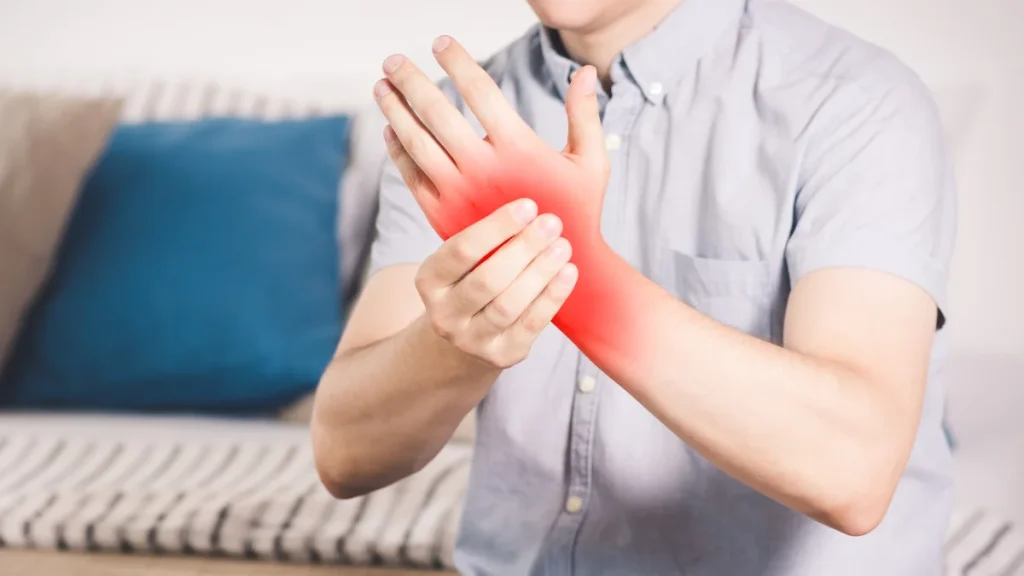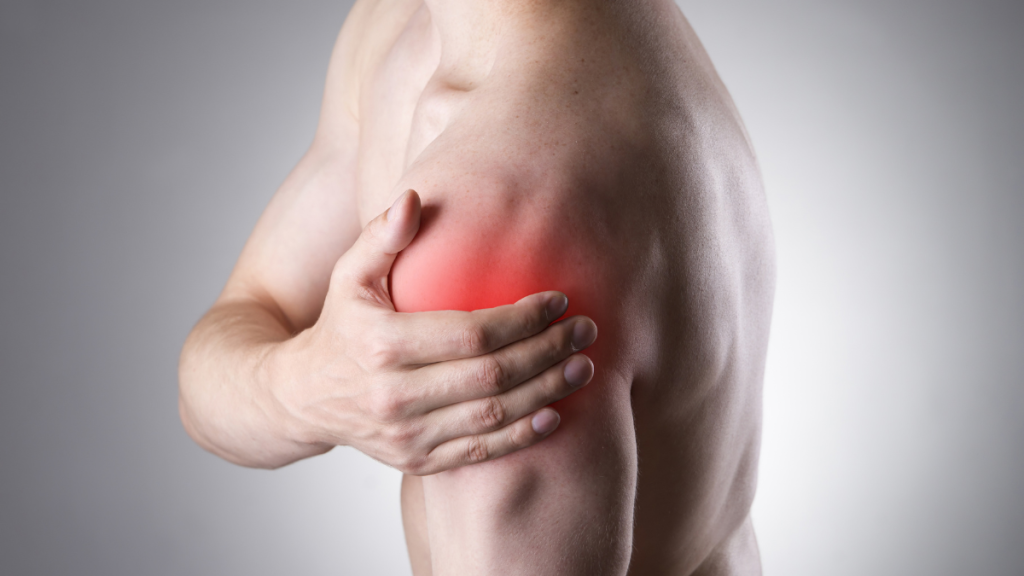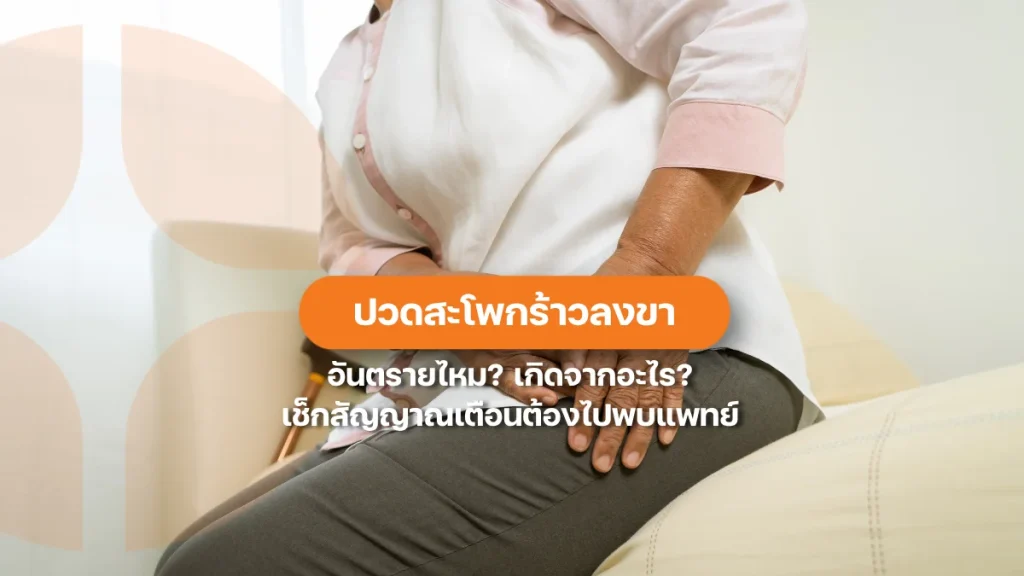



Musculoskeletal pain refers to pain affecting the structural systems that support movement and physical function. It is not limited to the muscles alone — it encompasses all the interconnected tissues that work together to keep the body moving:
- Bones and joints — including conditions such as osteoarthritis and joint inflammation
- Ligaments — the fibrous connective bands that stabilise joints and hold bones in correct alignment
- Tendons — the strong connective tissue that attaches muscle to bone, enabling controlled movement
Pain can range from mild and localised to severe and widespread. Most musculoskeletal pain originates from injury — such as sprains, fractures, or overuse — or from underlying conditions such as arthritis and fibromyalgia.
Common Causes
- Arthritis — including osteoarthritis (joint degeneration) and rheumatoid arthritis (autoimmune joint inflammation)
- Autoimmune conditions — such as lupus, which can cause widespread inflammation affecting muscles, joints, and connective tissue
- Intervertebral disc herniation or prolapse — a bulging or ruptured disc pressing on adjacent nerves or spinal structures
- Trauma and injury — including road accidents, falls, fractures, sprains, joint dislocation, and direct impact injuries
- Prolonged immobility or poor posture — sustained static positions or consistently incorrect postural alignment places cumulative mechanical stress on bones, joints, and soft tissue
- Overuse from work or sport — repetitive strain from occupational tasks or athletic activity exceeds the tissue's capacity to recover between loading cycles
- Nerve compression (pinched nerve) — pressure on a nerve root from a disc, bone spur, or tight soft tissue produces pain, numbness, or weakness along the nerve's distribution
- Spasticity — abnormal involuntary muscle contraction, typically secondary to neurological conditions such as stroke or multiple sclerosis
- Spondylolisthesis — a vertebral condition in which one spinal bone slips forward over the one below it, destabilising the lower spine and producing chronic pain
What Does Musculoskeletal Pain Feel Like?
Pain character varies significantly depending on which tissue is affected:
- Bone pain — typically described as a deep, dull aching that seems to come from inside the body, rather than from the surface. When a fracture is present, the pain is sharper, more localised, and significantly more severe.
- Joint pain — can be constant or intermittent; often described as stiffness, a dull ache, tenderness, burning, throbbing, or a grinding sensation as irregular surfaces move against each other. Joint pain frequently improves with rest and worsens with movement or activity — a pattern that helps distinguish it from other pain types.
- Muscle pain — may present as a deep, sustained aching or as intermittent sharp spasms. Some patients experience diffuse pain throughout the body, while others notice pain confined to one specific area or muscle group.
- Tendon and ligament pain — characteristically sharp and well-localised; tends to worsen specifically with the movement or loading that engages the affected structure. Unlike generalised muscle soreness, tendon pain is reproduced predictably by the same motions.
Treatment Options
อาการปวดของระบบกล้ามเนื้อและกระดูกหลายชนิดสามารถรักษาได้โดยไม่ต้องผ่าตัด Many forms of musculoskeletal pain can be effectively treated without surgery. Treatment is tailored to the underlying cause, the specific tissue involved, and the severity of symptoms:
- Medication — non-steroidal anti-inflammatory drugs (NSAIDs), muscle relaxants, and analgesics to reduce pain and inflammation; medication is typically used as part of a broader treatment plan rather than as a standalone long-term solution.
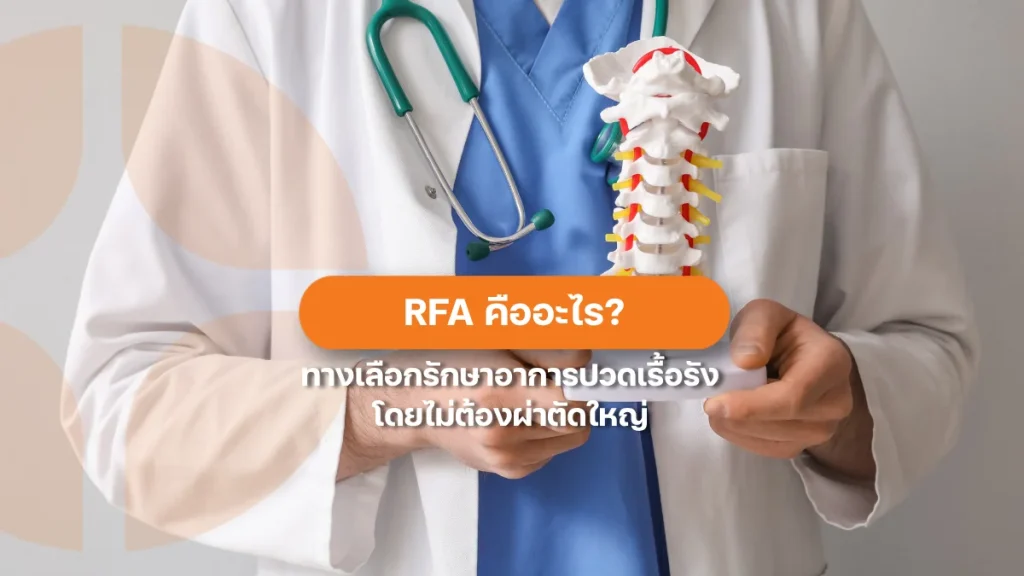
- Interventional pain procedures การทำหัตถการต่อไปนี้สามารถช่วย ในผู้ป่วยที่มีอาการปวดหลัง หรือปวดกระดูกสันหลังเรื้อรัง ได้แก่
-
- Epidural steroid injection — anti-inflammatory medication delivered into the epidural space surrounding the spinal cord; highly effective for spinal pain radiating into the arm or leg
-
- Facet joint block — targeted nerve block to the facet joint to confirm and treat facet-mediated spinal pain
- Selective nerve root block — precise injection at a specific nerve root level to reduce radicular inflammation and pain
-
- Physiotherapy to restore mobility, correct movement patterns, and strengthen supporting muscles individually designed exercise programmes, stretching protocols, and manual therapy techniques to improve strength, flexibility, postural alignment, and movement quality; physiotherapy addresses both symptom relief and the underlying biomechanical factors that contribute to pain.
Prevention
- Avoid smoking — smoking increases systemic inflammation throughout the body, impairs circulation to musculoskeletal tissues, slows healing, and accelerates degeneration of both bone and cartilage.
- Eat a nutritionally balanced diet — prioritise foods that support the health of bones, muscles, and joints: adequate calcium and vitamin D for bone density; protein for muscle maintenance and repair; anti-inflammatory foods such as vegetables, oily fish, and whole grains.
- Exercise regularly — consistent physical activity keeps joints mobile, maintains muscle strength, and reduces the risk of degenerative change; choose activities appropriate to your age, fitness level, and any existing health conditions; include both strength and flexibility components in your routine.
- Use correct lifting technique — when lifting objects from the floor or at work, bend at the knees rather than the waist, keep the load close to the body, and avoid twisting while bearing weight; improper lifting is one of the most common causes of acute spinal and soft tissue injury.
- Seek medical assessment early — if you experience pain that persists beyond a few days without clear improvement, do not wait. Early assessment allows accurate diagnosis, prevents minor injuries from progressing to chronic conditions, and ensures treatment is started before structural damage accumulates.
Reference:
- Cleveland Clinic. (2566, กุมภาพันธ์ 20). อาการปวดระบบกระดูกและกล้ามเนื้อ (Musculoskeletal Pain): อาการ สาเหตุ และการรักษา. https://my.clevelandclinic.org/health/symptoms/musculoskeletal-pain
- UT Southwestern Medical Center. (ม.ป.ป.). อาการปวดระบบกระดูกและกล้ามเนื้อ (Musculoskeletal Pain). https://utswmed.org/conditions-treatments/musculoskeletal-pain/
Pain Management at Bangkok Interventional Clinic
At Bangkok Interventional Clinic, we focus on personalised, in-depth pain management tailored to each individual.
- All patients are evaluated and treated by a board-certified pain specialist, ensuring accuracy, safety, and effective care.
- Targeted interventional procedures for fast and effective symptom relief
- Patient education to support sustainable, long-term self-care
Our goal is to meaningfully improve the quality of life of every patient we treat. If you are living with pain that affects your daily life, the right diagnosis and the right treatment plan are where change begins.