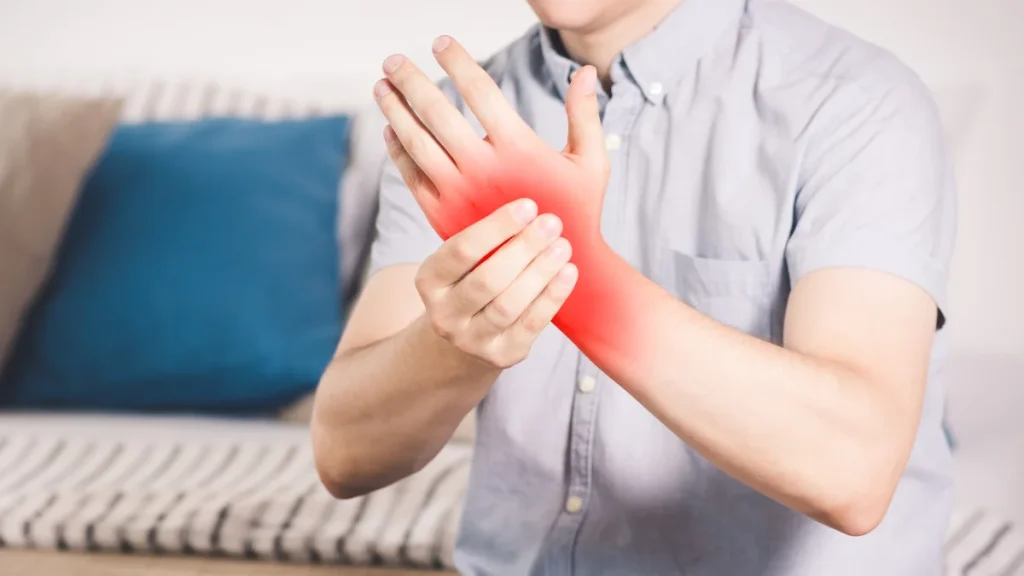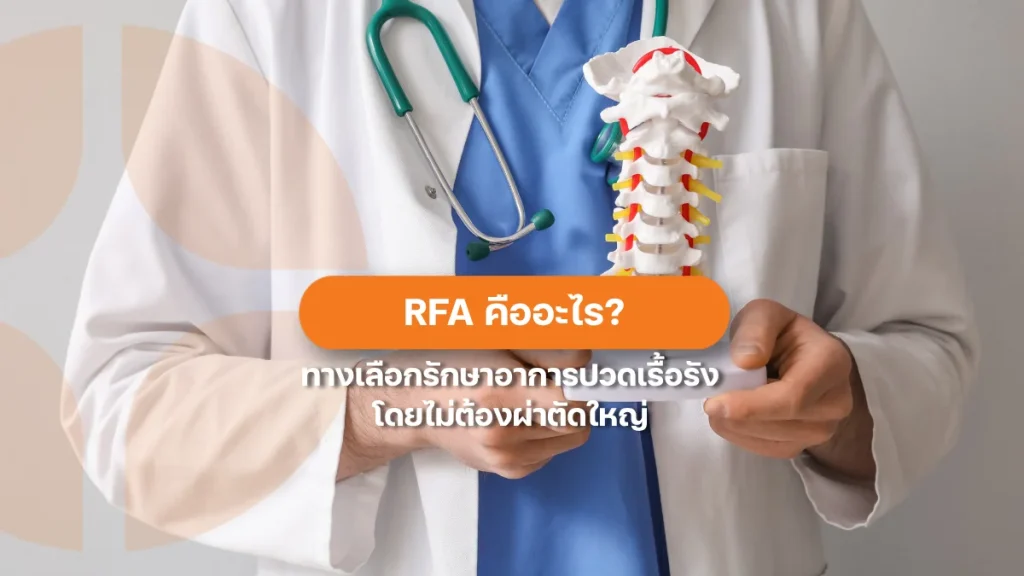



Shoulder pain is a common problem. One of the main causes is calcific tendinitis, which results from the accumulation of calcium crystals around the tendons of the shoulder joint (rotator cuff). While symptoms may gradually improve on their own for some, many others face severe pain, difficulty moving the arm, and chronic symptoms that disrupt daily life and sleep.
Currently, treatment is not limited to surgery. In this article, Bangkok Interventional Clinic will explore this condition and delve into a minimally invasive treatment option known as "Ultrasound-guided Barbotage," a method to extract calcium deposits through a small needle.
What Is Calcific Tendinitis of the Shoulder?
Calcific tendinitis (or calcific tendinopathy) is a condition where calcium crystals accumulate within the tendon tissues. It mostly occurs in the rotator cuff tendons, which control movement and stabilize the shoulder joint.
Commonly affected tendons include the Supraspinatus and Infraspinatus. In some cases, inflammation of the subacromial bursa may also be present.
It is important to note that calcific tendinitis is not shoulder osteoarthritis or arthritis because the calcium deposits on the tendons, not on the cartilage surface. It is also not the same as Frozen Shoulder, although some patients may experience both conditions simultaneously.
What Causes Calcific Tendinitis of the Shoulder?

Currently, the medical community cannot fully identify the exact cause of calcific tendinitis. However, it is believed to be associated with changes in the tissues within the tendons and the process of calcium accumulation. Studies suggest that certain areas of the “rotator cuff” tendons naturally have a somewhat limited blood supply. Therefore, it is hypothesized that changes in the internal environment of the tendon, such as insufficient blood flow, may be part of the process that leads to calcium accumulation.
Factors Associated with Calcific Tendinitis
While the exact cause remains unknown, several factors may increase the risk of developing calcific tendinitis, including:
- Age, with the condition commonly occurring in middle-aged adults
- Repetitive use of the shoulder joint, particularly activities that require repeated overhead arm movements
- Diabetes
- Thyroid disorders
- Smoking
- Certain genetic factors
However, many patients may develop this condition without any clearly identifiable risk factors and do not necessarily have a history of previous injury or trauma.
Symptoms of Calcific Tendinitis of the Shoulder
Symptoms can vary from one patient to another. Some patients may have no symptoms and may only be diagnosed incidentally during medical imaging, whereas others may experience significant pain. Common symptoms include:
- Pain around the shoulder joint, particularly when lifting or moving the arm
- Sudden onset of shoulder pain or an increase in pain during certain periods
- Severe pain that interferes with sleep
- Limited shoulder movement or symptoms resembling a frozen shoulder
- Tenderness or pain when pressure is applied to the tendons around the shoulder joint
- A feeling of weakness or difficulty using the arm normally in certain positions
Pain may become more severe when the calcium deposit enters a stage in which the body attempts to break down and resorb the deposit. During this stage, inflammation around the tendon and the bursa may also occur.
Treatment Options for Calcific Tendinitis of the Shoulder
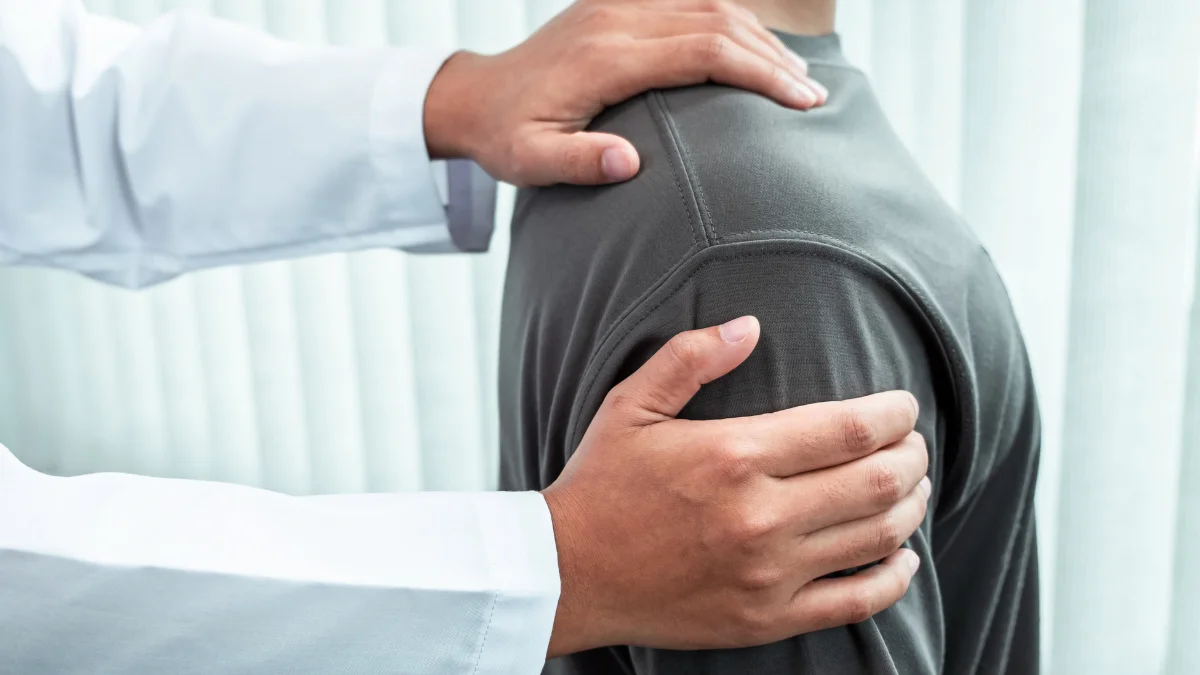
Treatment depends on the severity of symptoms, the size and characteristics of the calcium deposit, as well as the condition of the tendons and other structures surrounding the shoulder joint. In general, physicians may initially consider non-surgical treatment options and adjust the treatment plan according to the patient's symptoms and response to treatment.
- Activity Modification and Rest: Patients may be advised to avoid activities that trigger or worsen pain, particularly overhead movements and repetitive use of the shoulder.
- Medication: Physicians may consider pain-relieving medications or nonsteroidal anti-inflammatory drugs (NSAIDs) to help control pain and inflammation.
- Physical Therapy: Physical therapy may be used to help reduce pain, maintain the range of motion of the shoulder joint, and restore muscle strength. In some patients, physicians or physical therapists may also consider additional treatment modalities, such as Shockwave Therapy or Therapeutic Ultrasound, when appropriate.
- Anti-inflammatory Injection: In patients experiencing significant pain, physicians may consider a corticosteroid injection around the area of inflammation to help reduce inflammation and relieve pain.
- Ultrasound-Guided Needle Lavage and Calcium Deposit Removal (Barbotage): Barbotage is a minimally invasive procedure that uses a small needle to access the calcium deposit within the tendon under real-time ultrasound guidance. The procedure is performed to help wash out and remove the calcium deposit from the affected tendon.
- Surgery: If a patient continues to experience pain and does not respond adequately to initial treatment, surgical removal of the calcium deposit may be considered. The decision is made on an individual basis according to the patient's symptoms and overall clinical suitability.
Therefore, surgery is not the first treatment option for every patient, and a number of patients can be managed with non-surgical treatment approaches.
One of the highly discussed non-surgical approaches today is barbotage, a procedure that directly helps reduce the size of the calcium deposit through a pinhole-sized puncture. Let's delve into what this technique is and how it works.
What Is Barbotage?
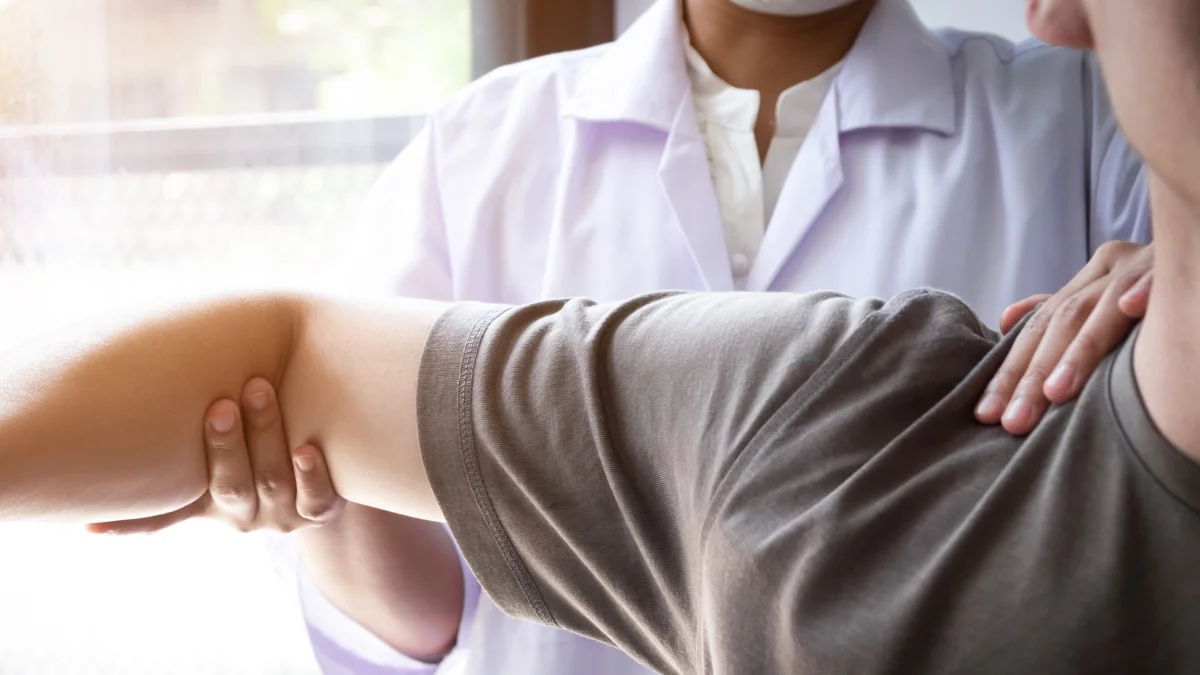
Barbotage (Ultrasound-guided Percutaneous Needle Aspiration and Lavage) is a procedure used to aspirate and wash out calcium deposits from the tendon. The doctor uses a small needle inserted through the skin into the calcium deposit while injecting saline to wash and suction out the calcium crystals. The treatment steps and additional medications are tailored to the specific characteristics of each patient's calcium deposit.
The core of this technique is the use of real-time ultrasound guidance. This allows the doctor to clearly visualize the location of the calcium deposit and the needle tip at all times, enabling accurate insertion to the target area while avoiding vital surrounding structures.
Who May Be Suitable for Barbotage?
Barbotage is an option for individuals diagnosed with calcific tendinitis who experience pain related to the calcium deposit, especially those whose symptoms have not improved with conservative treatments.
However, not every patient with this condition can undergo barbotage. The doctor must evaluate several factors, including:
- Size and characteristics of the calcium deposit
- Location of the calcium deposit
- Relationship between the deposit, tendons, and surrounding structures
- Presence of tendon tears or other shoulder abnormalities
- Severity and duration of symptoms
- Response to previous treatments
Therefore, determining whether barbotage is appropriate should be based on a physician's clinical assessment together with consideration of ultrasound findings or other appropriate imaging studies.
Advantages of Barbotage
For appropriate candidates, barbotage offers several advantages compared to surgery:
- It is a minimally invasive procedure that requires only a small needle puncture
- It can be performed under local anesthesia without the need for general anesthesia
- It allows the calcium deposit to be directly accessed and removed
- It generally requires a shorter recovery period than surgery, and patients may be able to return to work and light activities within approximately 24–48 hours after the procedure
- It may help reduce pain and improve the range of motion and function of the shoulder joint
However, treatment outcomes vary among individuals, and it cannot be guaranteed that the entire calcium deposit will be removed or that symptoms will completely resolve after a single procedure.
Factors Affecting Barbotage Outcomes
The results of barbotage may vary depending on the characteristics of the patient and the calcium deposit. Important factors include:
- Size and Characteristics of the Calcium Deposit: Calcium deposits with different characteristics and consistencies may respond differently to lavage and aspiration.
- Location of the Calcium Deposit: The location of the calcium deposit can affect how easily it can be accessed with a needle, as well as its relationship with the tendon and important surrounding structures.
- Condition of the Tendon and Shoulder Joint: If a patient also has a tendon tear, shoulder osteoarthritis, or other abnormalities, the pain may not be caused by the calcium deposit alone.
- Rehabilitation After Treatment: Appropriate return to shoulder movement and physical therapy as recommended by the physician may contribute to the recovery of shoulder function.
How Long Is the Recovery After Barbotage?
Since barbotage causes less tissue trauma than surgery, most patients can return to daily routines or light activities relatively quickly.
Initially, there may be temporary aching, soreness, or swelling around the needle entry site, which will gradually subside. However, the exact recovery time for full arm usage depends on the characteristics of the calcium deposit, the response to treatment, and the individual's physical condition.
Are There Any Risks or Side Effects of Barbotage?
As with other medical procedures, barbotage may involve certain risks or side effects, although it is generally considered a procedure with a relatively low risk profile. Possible symptoms and complications include:
- Temporary pain or soreness at the procedure site
- Mild swelling
- Bruising at the needle insertion site
- Infection, which is uncommon
- Irritation or injury to surrounding tissues, which is uncommon
Patients should follow their physician's post-procedure instructions. If abnormal symptoms occur, such as progressively worsening pain, redness, warmth, significant swelling, fever, or other concerning symptoms, patients should contact their physician for further evaluation.
Can Calcific Tendinitis of the Shoulder Be Cured?
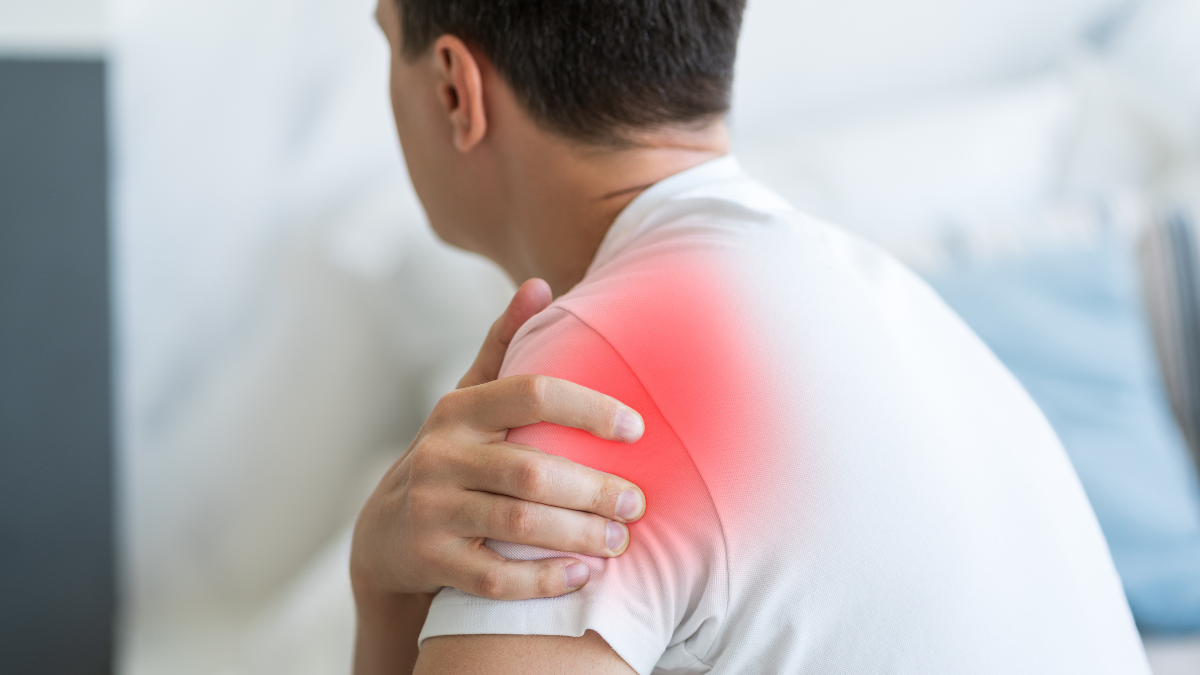
Calcific tendinitis tends to improve, and the calcium deposits can gradually dissolve through natural processes in some patients. However, the time required for resorption and the degree of recovery vary for each individual.
Some may face severe pain that disrupts sleep and daily life, while others may experience chronic pain for a long time. If left untreated, the pain may lead the patient to avoid using the shoulder, eventually resulting in a frozen shoulder or weakness of the surrounding muscles.
Therefore, if you experience persistent shoulder pain, limited range of motion, or severe unexplained pain, you should seek a medical evaluation to determine the true cause and establish an appropriate treatment plan.
Summary
Shoulder pain from calcific tendinitis is a disruptive condition but can be managed and treated without always relying on surgery. The barbotage technique, or ultrasound-guided needle aspiration of calcium deposits, is another option that helps accurately reduce the size of the deposit. With a minimally invasive approach and short recovery time, it helps reduce pain and allows patients to regain better use of their shoulder joint.
If you are experiencing chronic shoulder pain, difficulty moving your shoulder, or suspect you might have calcific tendinitis, you can make an appointment for an evaluation by a doctor at Bangkok Interventional Clinic. For more information or to schedule an appointment, call 093-392-3992 or contact us via Line OA: @bicpain. Our staff is ready to advise and assist in managing your symptoms.
Frequently Asked Questions
1. Is calcific tendinitis the same as shoulder osteoarthritis or frozen shoulder?
Calcific tendinitis is not shoulder osteoarthritis because the calcium crystals accumulate in the tendons around the joint, not on the joint's cartilage surface. It is also not a frozen shoulder, although some patients may experience both conditions simultaneously. Therefore, an evaluation by a doctor is crucial for an accurate diagnosis and proper treatment planning.
2. Does every patient with calcific tendinitis require surgery?
Surgery is not always necessary. The choice of treatment depends on the severity of symptoms, the size of the calcium deposit, and the condition of the patient's tendons. Generally, doctors will start with non-surgical treatments such as activity modification, medication, physical therapy, or barbotage. Surgery is considered an option only for patients experiencing severe, persistent pain who have not responded to initial treatments.
3. How long is the recovery period for barbotage treatment?
Since barbotage is a minimally invasive procedure using only a needle puncture, it causes less tissue trauma than open surgery. Most patients can return to their daily routines or light activities relatively quickly, usually within 24–48 hours. Initially, there may be temporary aching, soreness, or swelling around the needle site, which will gradually subside over time.
References
- Aldehaim AY, Alarfaj AS. Global hypertrophic calcification of shoulder joint capsule. Clin Med Insights Case Rep. 2021;14:11795476211025351. doi:10.1177/11795476211025351.
- Werry WD, Hedeman M, Sharma A, Garfi J, Elentuck D, Samuelsen B, et al. Determining the efficacy of barbotage for pain relief in calcific tendinitis. JSES Int. 2024;8(5):1039-1044. doi:10.1016/j.jseint.2024.06.005.
- Ten Hove FL, de Witte PB, Reijnierse M, Navas A. Needling and lavage in rotator cuff calcific tendinitis: ultrasound-guided technique. JBJS Essent Surg Tech. 2024;14(1):e23.00029. doi:10.2106/JBJS.ST.23.00029.
This article is intended for general educational purposes only and should not be used as a substitute for a medical diagnosis or professional medical advice. If you are experiencing pain, you should consult a physician specializing in pain management for an appropriate evaluation and individualized treatment plan.
Pain Management at Bangkok Interventional Clinic
At Bangkok Interventional Clinic, we focus on personalised, in-depth pain management tailored to each individual.
- All patients are evaluated and treated by a board-certified pain specialist, ensuring accuracy, safety, and effective care.
- We provide targeted interventional pain procedures to help relieve symptoms quickly and restore function.
- Equally important, we emphasise patient education, empowering you to understand your condition and participate in a long-term self-care plan.
Our goal is to improve the quality of life for every person who comes to us for care. If you are experiencing pain that affects your daily life, an accurate diagnosis and the right treatment plan are the first steps toward meaningful change. Bangkok Interventional Clinic — Specialised Pain and Nerve Care by Multidisciplinary Specialist Physicians