


Understanding Spinal Cord Compression
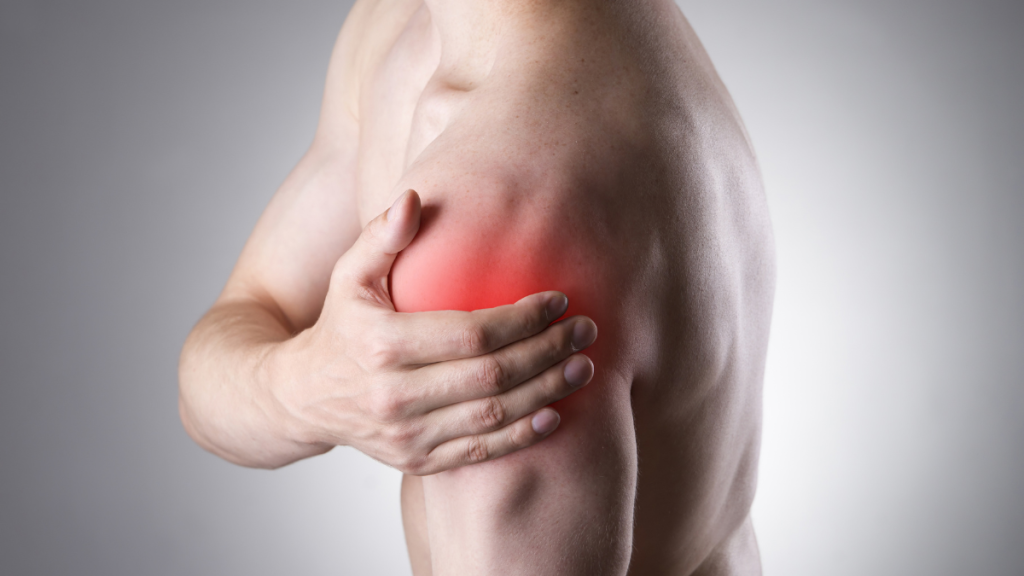
Chronic back or neck pain that radiates down the arms or legs is not always caused by simple muscle inflammation. It may originate from structural changes within the spinal canal — such as a bulging or herniated disc, joint degeneration, or thickened ligaments — that press against the spinal cord or nerve roots. This is the condition known as spinal cord compression, and it is one of the more significant causes of radiating pain in the limbs.
Causes
Spinal cord compression can result from a range of conditions:
- Slipped disc Herniated disc — the inner material of a spinal disc pushes through its outer layer and presses on the spinal cord or a nerve root
- Spinal stenosis — the spinal canal narrows over time, reducing the space available for the spinal cord; most common in older adults
-
Spinal fracture — a broken or fragmented vertebra from trauma or injury can shift and compress the spinal cord Spinal fracture — a broken or fragmented vertebra from trauma or injury can shift and compress the spinal cord
-
Spinal or spinal cord tumour — both benign and malignant tumours can grow and press on the spinal cord
-
Spinal cord injury — severe trauma such as a road accident, fall, or direct impact can cause swelling and compression
-
Age-related spinal degeneration — disc wear, bone spur formation, and facet joint degeneration can collectively narrow the spinal canal
-
Spondylolisthesis — one vertebra slides forward over the one below it, creating pressure on the cord
-
Inflammatory spinal disease — conditions such as rheumatoid arthritis or ankylosing spondylitis cause inflammation and swelling within the spinal canal
-
Spinal infection — vertebral osteomyelitis or a spinal epidural abscess can cause swelling that compresses the cord
-
Metabolic bone disease — osteoporosis weakens the vertebrae, making them prone to collapse and subsequent cord compression
Symptoms
Spinal cord compression symptoms fall into two broad categories:
- 1. Non-urgent symptoms —typically chronic, progressing gradually, and manageable with conservative treatment such as physiotherapy, medication, or pain procedures.
- 2. Red flag symptoms — signs of serious neurological compromise that require urgent surgical evaluation.
General Symptoms (Non-Urgent)
- Localised pain with neck or back stiffness
Chronic aching in the neck or lower back that may come and go, often worsening with movement or activity - Radiating pain down the arm or leg
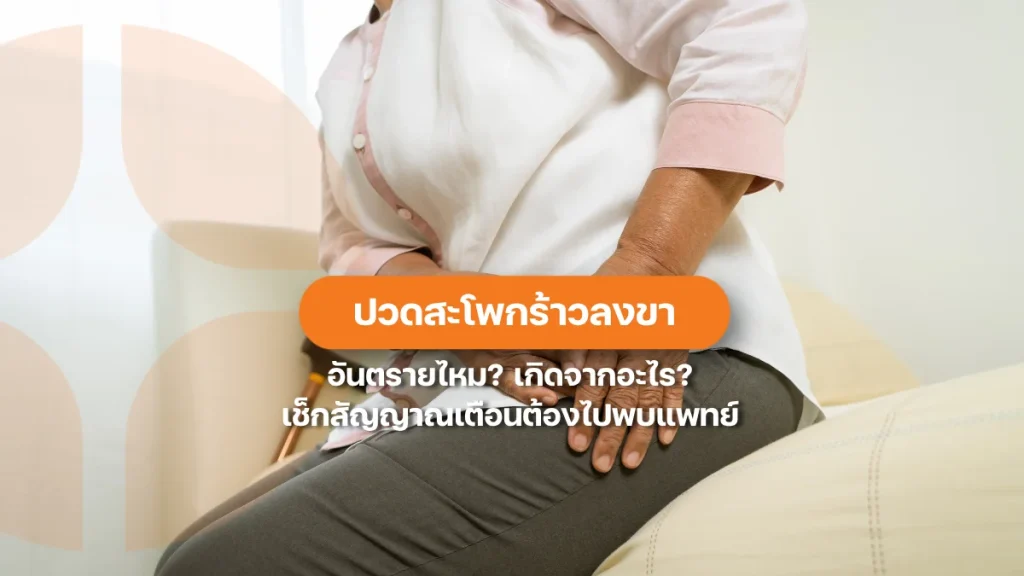
A burning, hot, or aching sensation that travels from the spine into the shoulder, arm, hip, or down the leg (such as sciatica) - Intermittent numbness or tingling
A pins-and-needles sensation in the hands, arms, feet, or legs - Limb weakness or heaviness
Reduced strength or a heavy feeling in the arms or legs that affects movement and coordination - Difficulty with balance and walking
Unsteady gait, difficulty balancing, or a slight limp that may gradually worsen - Reduced fine motor skills
Difficulty with tasks requiring precision, such as buttoning a shirt, writing, or picking up small objects - Positional relief
Pain in the back or legs that eases when sitting down or leaning forward, commonly seen in lumbar spinal stenosis
Red Flag Symptoms (Urgent — Do Not Wait)
The following symptoms indicate severe spinal cord compression and may require immediate surgery:
- Sudden or rapidly worsening weakness in the arms or legs, loss of coordination, or inability to grip
- Loss of control over urination or defecation
- Numbness around the anus or perineum (saddle anaesthesia)
If any of these are present, seek emergency care immediately.
Treatment Options
For mild to moderate symptoms without rapid neurological deterioration or red flags, the initial approach is conservative:
- Physiotherapy — targeted exercises to build core strength, improve spinal stability, and increase flexibility in the back and legs
- Medication — neuropathic pain agents combined with analgesics or anti-inflammatory drugs to reduce pain and swelling
Beyond conservative care, Interventional Pain Management offers effective options for chronic neck or back pain radiating into the limbs — particularly for patients looking to avoid long-term medication use or major surgery when there are no urgent surgical indications:
- Epidural steroid injection — an anti-inflammatory drug is injected into the epidural space (the area surrounding the spinal cord containing fat and blood vessels), reducing swelling and inflammation around compressed nerve roots; highly effective for radiating arm or leg pain
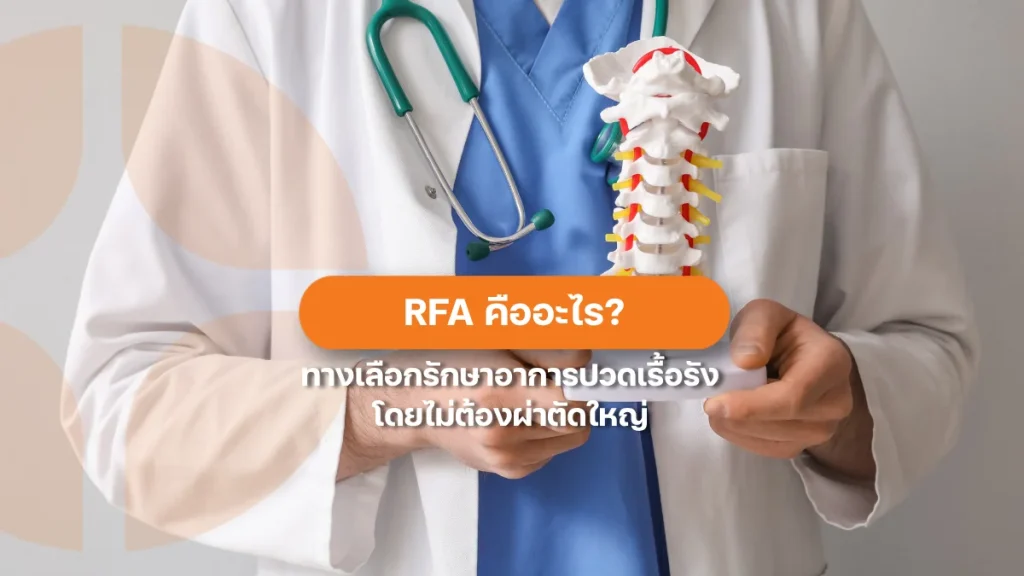
- Radiofrequency ablation — used when degenerated facet joints are contributing to spinal canal narrowing; targeted heat from a radiofrequency probe disrupts the small nerve branches transmitting pain signals
- Adhesiolysis (balloon procedure) — where scar tissue is binding or tethering the spinal cord or nerve roots, a small instrument is guided to the site to break down the adhesions and deliver medication directly to the affected area
Prevention
Prevention focuses on reducing mechanical load on the spine and maintaining long-term spinal health:
- Exercise regularly — activities that strengthen the back and abdominal muscles, such as yoga or Pilates, help support the spine and reduce compression risk
- Maintain good posture — proper spinal alignment when sitting and standing reduces cumulative stress on the vertebrae and discs
- Lift correctly — use your legs, not your back, when lifting heavy objects to prevent acute injury
- Maintain a healthy weight — excess body weight places additional load on the spine and intervertebral discs
- Avoid smoking — smoking accelerates disc degeneration and weakens bone density
- Use ergonomic equipment — a chair that supports the natural curve of the spine, and a sleeping position that maintains spinal alignment, can make a meaningful difference over time
While some causes — such as acute trauma or a rapidly growing tumour — cannot always be prevented, these habits can significantly reduce the risk of compression arising from degenerative changes.
Reference
- Chiang Mai University, Faculty of Medicine, Department of Orthopaedics. (2025). Spinal nerve compression [PDF]. https://w1.med.cmu.ac.th/orthopedics/files/2025/04/Peripheral-nerve-compression-2025.pdf
- StatPearls Publishing. (2023). Spinal cord compression. In StatPearls. National Centre for Biotechnology Information. https://www.ncbi.nlm.nih.gov/books/NBK557604/
Pain Management at Bangkok Interventional Clinic
At Bangkok Interventional Clinic, we focus on personalised, in-depth pain management tailored to each individual.
- All patients are evaluated and treated by a board-certified pain specialist, ensuring accuracy, safety, and effective care.
- Targeted interventional procedures for fast and effective symptom relief
- Patient education to support sustainable, long-term self-care
Our goal is to meaningfully improve the quality of life of every patient we treat. If you are living with pain that affects your daily life, the right diagnosis and the right treatment plan are where change begins.