


Joint Degeneration Pain: A Problem You Shouldn't Ignore
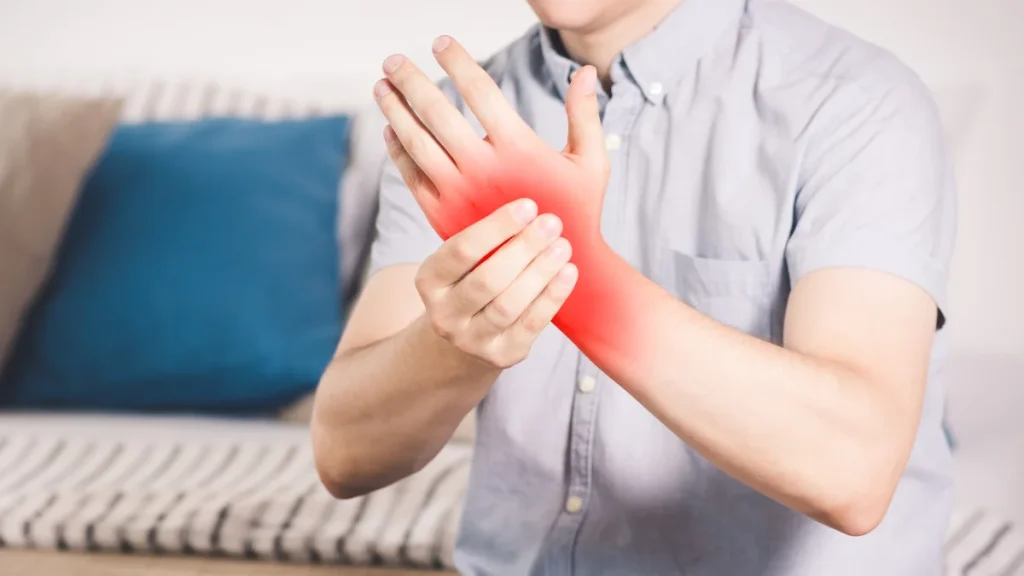
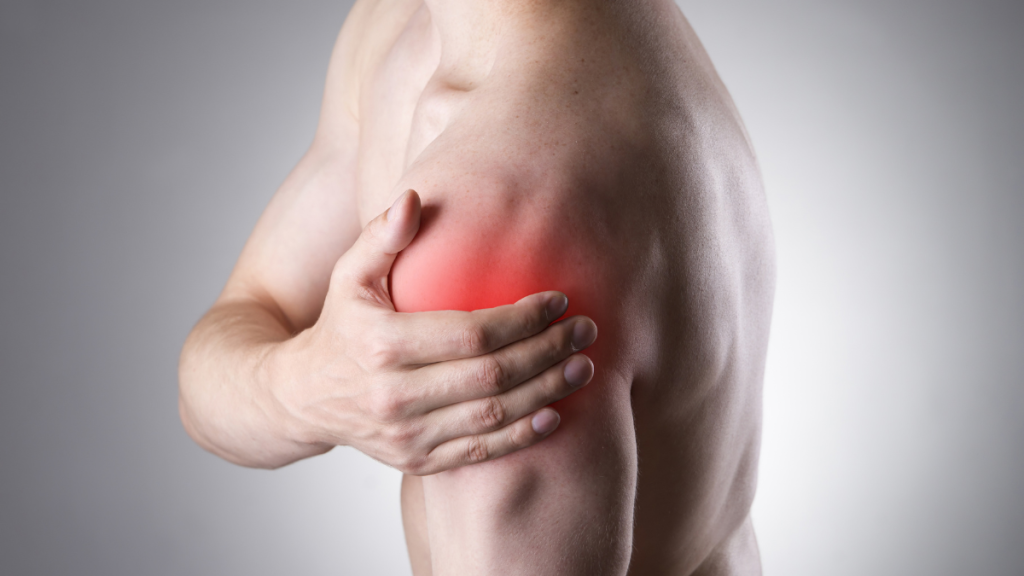
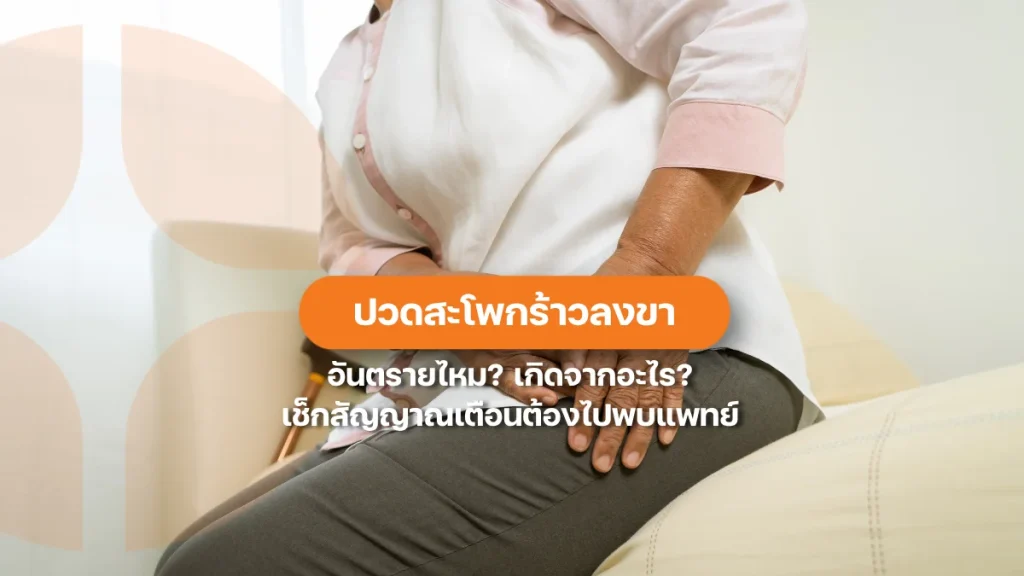
Osteoarthritis is a chronic joint condition in which the protective cartilage covering the surfaces of the joints gradually breaks down. As the cartilage deteriorates, the affected joint becomes painful, swollen, and increasingly difficult to use. It is one of the most common forms of arthritis worldwide, and while it can affect any joint in the body, it most frequently develops in the knees, hips, lower back, neck, and the small joints of the fingers.
Osteoarthritis is a long-term, progressive condition. There is currently no cure — but with the right treatment approach, symptoms can be meaningfully managed and the rate of progression slowed.
What Causes Osteoarthritis?
Several factors contribute to the development and progression of joint degeneration:
- Age — the risk of osteoarthritis rises significantly with age; cartilage naturally becomes less resilient over time and its ability to self-repair diminishes
- Injury and trauma — previous joint injuries — from accidents, sports, or repetitive strain — can damage cartilage and accelerate its breakdown even years after the original injury
- Joint inflammation — inflammatory conditions affecting the joint can directly damage cartilage and the underlying bone
- Impaired blood supply to subchondral bone — reduced blood flow to the bone beneath the cartilage impairs its structural integrity and the support it provides to the cartilage layer above
- Prolonged mechanical overloading — sustained repetitive pressure on a joint — from postures such as deep squatting, kneeling, or sitting cross-legged on the floor, or from carrying excess body weight — accelerates cartilage wear over time
Symptoms
Osteoarthritis symptoms typically develop gradually and worsen over time:
- Joint pain — a deep aching, tenderness, or soreness in or around the affected joint; pain often flares after periods of activity or heavy use, and may subside with rest — though in advanced cases it can persist even at rest
- Stiffness and restricted movement — difficulty moving the joint freely, most noticeable after a period of rest or inactivity (such as first thing in the morning); in some patients, audible clicking, creaking, or grinding sounds occur during movement as irregular cartilage surfaces rub together
- Swelling around the joint — caused by excess fluid produced by the inflamed joint lining in response to cartilage damage; the area around the joint may feel warm and puffy
- Loss of range of motion and function — the joint gradually loses its ability to move through its full range; in more advanced cases, patients may find they can no longer fully straighten or bend the affected joint, limiting activities such as walking, climbing stairs, or gripping objects
Treatment Options
Initial management of osteoarthritis typically combines analgesic medication, physiotherapy, and lifestyle modification — including weight management and activity adjustment. For patients with moderate to severe symptoms who continue to experience significant pain despite appropriate conservative care, interventional pain procedures can provide effective additional relief:หัตถการระงับปวดร่วมด้วยได้ ได้แก่
- Intra-articular injection — medication is injected directly into the joint space; options include local anaesthetic alone, local anaesthetic combined with corticosteroid (to reduce inflammation), hyaluronic acid (viscosupplementation, to restore joint lubrication and cushioning), or Platelet-Rich Plasma (PRP, to promote tissue repair). The choice of agent is guided by the severity of symptoms, the stage of cartilage degeneration, and the physician's clinical assessment of each individual patient
- Articular branch nerve block — local anaesthetic is injected to the specific nerve branches that carry pain signals from the affected joint; in addition to providing diagnostic confirmation that the joint is the true pain source, a positive response to nerve block opens the path to radiofrequency ablation — a procedure that uses heat to deactivate those nerve branches and provide pain relief lasting approximately 6–12 months
Prevention
- Maintain a healthy body weight — excess body weight places disproportionately high load on the weight-bearing joints, particularly the hips, knees, ankles, and feet. Every kilogram of excess weight translates to several kilograms of additional force on the knee joint with each step. Weight management is one of the most impactful modifiable risk factors for both preventing osteoarthritis and slowing its progression in those already affected.
- Exercise regularly — consistent physical activity is one of the most effective tools for protecting joint health. Exercise strengthens the muscles that surround and support the joints, prevents stiffness, maintains range of motion, and helps distribute joint loads more evenly. Low-impact activities — such as swimming, cycling, and walking — are particularly well suited for people with joint concerns, as they build strength and conditioning without placing excessive load on the cartilage.
- Protect your joints from injury — joint injuries significantly increase the long-term risk of osteoarthritis in the affected joint. Use appropriate protective equipment during physical activity and sport, practice correct technique when lifting or performing repetitive tasks, and avoid postures and activities that place sustained or repetitive high load on vulnerable joints.
Reference
- Arthritis Foundation. (2025). Osteoarthritis fact sheet. Retrieved from https://www.arthritis.org/getmedia/427daf6e-1718-4063-be07-f29396f1dc4e/oa-fact-sheet.pdf
- เพิ่มพูน, พ. (2557). คู่มือการพยาบาล ผู้ป่วยโรคข้อเข่าเสื่อม ที่ได้รับการรักษาด้วยการผ่าตัดเปลี่ยนข้อเข่าเทียม. ฝ่ายการพยาบาล โรงพยาบาลศิริราช, คณะแพทยศาสตร์ศิริราชพยาบาล มหาวิทยาลัยมหิดล. สืบค้นจาก https://www2.si.mahidol.ac.th/division/nursing/sins/attachments/article/213/Osteoarthritis.pdf
- University of Rochester Medical Center. (2026). How to help prevent osteoarthritis. Retrieved February 3, 2026, from https://www.urmc.rochester.edu/encyclopedia/content?contenttypeid=1&contentid=1411