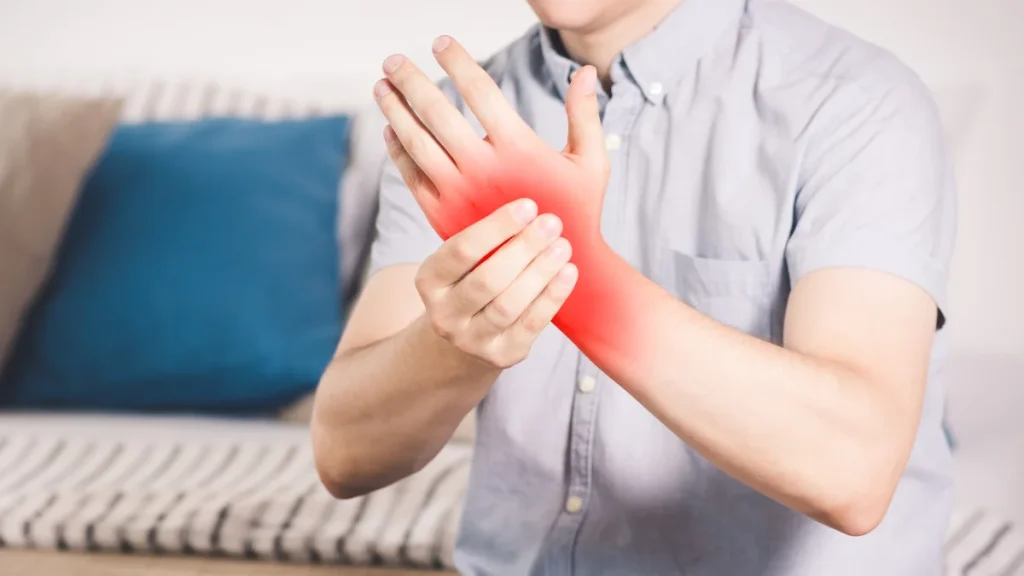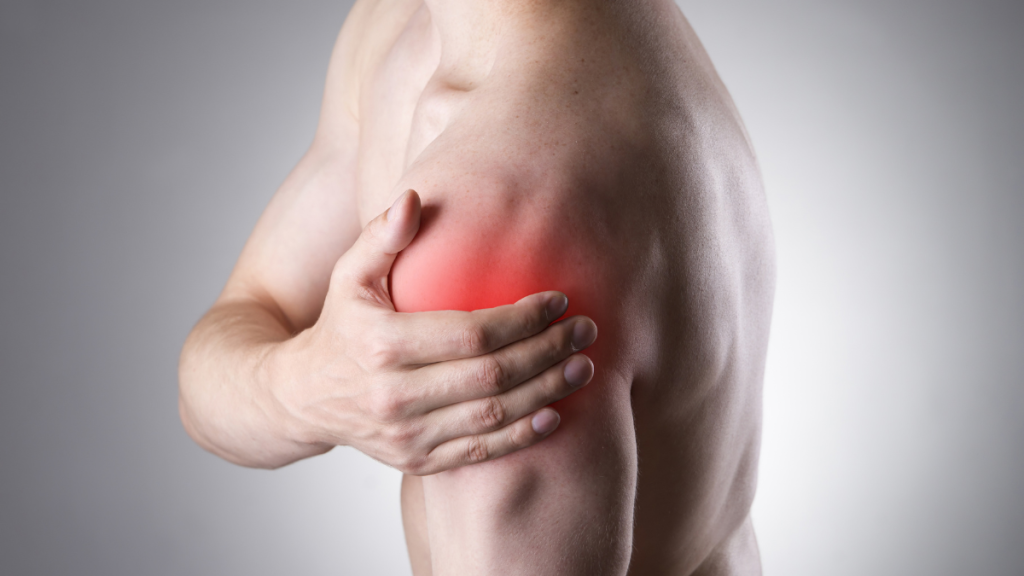



Many people experience pain in the neck that doesn't stay there. It spreads — into the shoulder blade, down the arm, sometimes all the way to the fingers. If this sounds familiar, you're not imagining it. There is a clear anatomical explanation for why a problem in the neck can create pain, numbness, or weakness far from where it originates.
The Connection Between the Cervical Spine and the Nerves
The spine is the central column of the body — and one of its most critical functions is to protect the spinal cord: the main trunk of the nervous system, running from the base of the skull downward. The spinal cord acts as the communication highway between the brain and the rest of the body, transmitting both motor commands and sensory information in both directions.
At the level of the cervical spine (the neck), nerve roots branch off from the spinal cord and travel outward to control movement and relay sensation in the shoulders, chest, upper back, arms, and hands. This is why compression or irritation of a nerve root in the neck can produce symptoms that appear far down the arm — or even at the fingertips — rather than only at the neck itself.
How Does Radiating Pain Occur?
When a structural abnormality develops in the cervical spine — such as age-related degeneration or a herniated disc pressing on a nerve root — that nerve becomes compressed and inflamed. The result is a predictable cluster of symptoms:
- Radiating pain a deep aching in the shoulder blade, or an electric shock-like jolt that shoots down the arm along the nerve's pathway
- Numbness Abnormal sensations on the skin surface, or numbness in the fingers.
- Muscle weakness in more severe compression, the nerve's ability to control the muscles it supplies is compromised, producing difficulty gripping objects, dropping things, or performing fine motor tasks
Pain from cervical radiculopathy tends to worsen with certain neck movements — particularly extension (looking up) or sustained neck tension. Interestingly, some patients find temporary relief by raising their arm and resting the hand on top of their head. This position reduces tension on the compressed nerve root, providing short-term relief — a useful self-test that can also help confirm the diagnosis.
Common Causes
.
- Cervical disc herniation — the central gel-like material of a disc pushes through its outer layer and presses directly on the adjacent nerve root, producing the characteristic shooting pain that travels down the arm
- Cervical spondylosis with radiculopathy — as the spine ages, calcium deposits and bone spurs can form and narrow the openings through which nerve roots exit the spinal canal; most commonly seen in middle-aged and older adults
- Cervical spondylotic myelopathy — a more severe form of cervical degeneration in which the spinal cord itself — not just the nerve roots — is compressed; in addition to arm pain and numbness, patients may experience unsteady walking or difficulty with fine motor tasks such as buttoning clothing
Other causes
- Injury or spinal fracture — typically from significant trauma affecting the neck
- Spinal infection — causing acute inflammation and severe pain
- Spinal tumour — abnormal tissue growth pressing on the nerve roots or spinal cord
Treatment Options
Research consistently shows that more than 85% of patients with cervical radiculopathy improve within 8–12 weeks without requiring specific intervention. However, for those whose symptoms persist, treatment is tailored to the individual — with non-surgical approaches always prioritised first, achieving good outcomes in over 90% of cases.
Non-Surgical Treatment
- Relative rest and activity modification — short-term use of a soft cervical collar may be recommended to allow inflamed muscles and nerve roots to settle; this is typically used for a limited period only, not long-term
- Medication — analgesics, non-steroidal anti-inflammatory drugs (NSAIDs), and neuropathic pain agents to manage acute pain and nerve irritation in the early phase
- Physiotherapy — targeted exercises to improve cervical flexibility, strengthen the deep neck stabiliser muscles, and correct postural alignment to reduce ongoing mechanical load on the nerve roots
- Interventional procedure — Cervical Epidural Steroid Injection (Cervical ESI) — for patients with severe or persistent radicular arm pain that has not responded adequately to oral medication; corticosteroid is injected directly into the epidural space surrounding the compressed nerve root, reducing inflammation and providing targeted relief
Surgical Treatment
If non-surgical treatment over at least 6–12 weeks has not produced adequate improvement — or if the patient develops red flag symptoms such as rapidly progressive arm weakness, sudden inability to grip or button clothing, or any signs of spinal cord compression — surgical evaluation is warranted. Surgery focuses on removing the structure compressing the nerve root and restoring stability to the cervical spine.
Prevention and Risk Reduction
- Correct posture — align the ears, shoulders, and hips vertically when sitting and standing; avoid prolonged forward head posture when using a mobile phone or working at a computer screen..
- Regular movement and stretching — avoid remaining in the same position for more than one hour; stand up, move around, and stretch the neck, shoulder, and upper back muscles regularly to reduce muscular tension and improve flexibility.
- Maintain a healthy body weight — excess body weight increases the mechanical load on the cervical spine and accelerates disc degeneration.
- Avoid smoking — the toxins in cigarette smoke reduce blood supply to the intervertebral discs, depriving them of the nutrients they need and accelerating degeneration significantly faster than normal ageing alone.
- Avoid incorrect lifting — particularly lifting or carrying heavy loads with poor technique, or working with tools that generate high vibration forces through the upper limbs.
-
.
A note for patients with prior lumbar disc problems: if you have previously experienced lower back pain with radiculopathy into the leg, pay particular attention to cervical spine care — the same risk factors and lifestyle habits that contribute to lumbar disc problems also affect the cervical discs.
Reference
Fife Musculoskeletal Physiotherapy Service. (2020, April). Cervical radiculopathy: Home-based rehabilitation programme (C.V.47.1.1.1). NHS Fife. https://www.nhsfife.org/media/o0knckz5/cervical-radiculopathy-english-1.pdf
Pain Management at Bangkok Interventional Clinic
At Bangkok Interventional Clinic, we focus on personalised, in-depth pain management tailored to each individual.
- All patients are evaluated and treated by a board-certified pain specialist, ensuring accuracy, safety, and effective care.
- Targeted interventional procedures for fast and effective symptom relief
- Patient education to support sustainable, long-term self-care
Our goal is to meaningfully improve the quality of life of every patient we treat. If you are living with pain that affects your daily life, the right diagnosis and the right treatment plan are where change begins.
Bangkok Interventional Clinic — Pain and Nerve Specialist Clinic