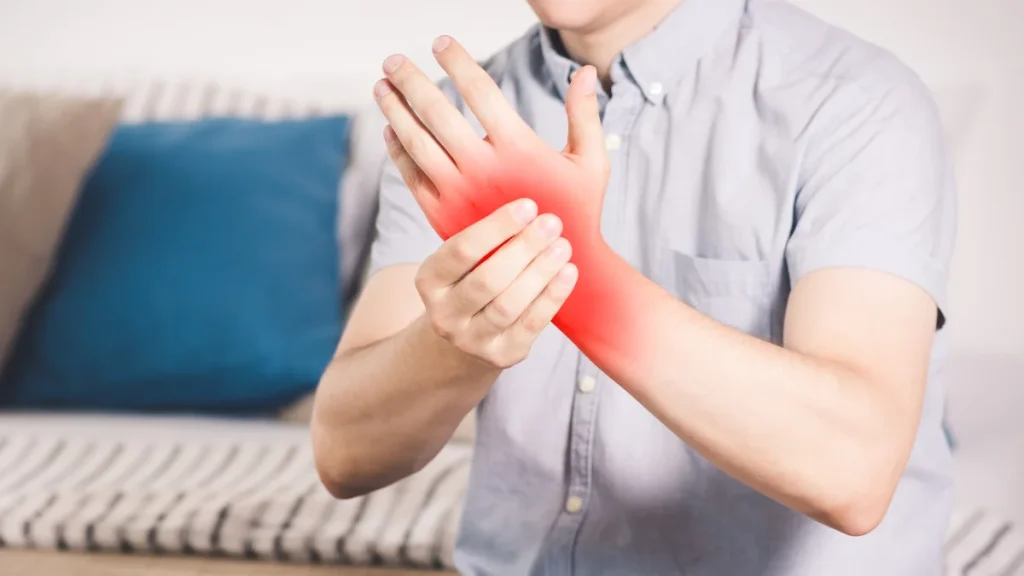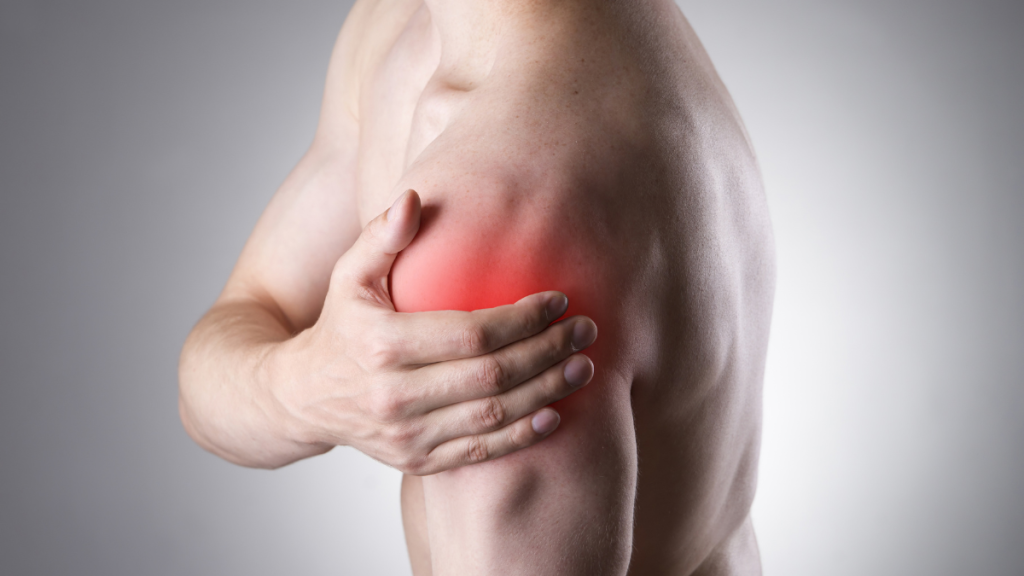



Complex Regional Pain Syndrome (CRPS) is a chronic neurological disorder characterised by severe, disproportionate pain — most commonly affecting the arm or leg. It typically develops following an injury to soft tissue involving nerve structures, whether from trauma, surgery, or an accident. What makes CRPS particularly difficult is that the pain response is far greater than the original injury would suggest, and it often involves visible changes to the affected limb beyond pain alone.
What Causes Fibromyalgia?
The exact cause of CRPS is not yet fully understood. Current evidence suggests that the condition arises from a dysfunctional interaction between the peripheral and central nervous systems, the immune system, and the sympathetic nervous system — triggered by injury in susceptible individuals. While there is no single identifiable cause, the following factors are known to increase the likelihood of CRPS developing :
- Sex and age — CRPS is more commonly diagnosed in women than men, and most frequently develops in middle age. It can also occur in adolescents and older adults, though nerve recovery tends to be slower in older patients
- Severity of the injury — more severe trauma carries higher risk; fractures, crush injuries, and major surgery all place significant mechanical and physiological stress on the nervous system, making abnormal pain sensitisation more likely
- Location of injury — injuries to the arm and hand have a higher statistical association with CRPS than injuries to the leg and foot, though the lower limb can certainly be affected
- Inadequate early management — a cast or splint that is too tight, prolonged immobilisation of the affected limb, or undertreated acute pain in the early post-injury period all increase risk; the nervous system's response to sustained, uncontrolled pain can trigger the changes that lead to CRPS
- Pre-existing health conditions — If you have Diabetes (which already predisposes to nerve dysfunction) and conditions involving chronic inflammation or immune dysregulation increase susceptibility
- Smoking — Smoking directly impairs the vascular supply to peripheral nerves and impedes the tissue repair mechanisms that support nerve recovery
- Psychological state at the time of injury — chronic stress, anxiety, and depression are known to alter the brain's pain-processing pathways; patients experiencing significant psychological distress at the time of injury have a higher risk of developing chronic abnormal pain responses
Recognising CRPS: Symptoms
CRPS is not simply a pain condition. It produces a distinct cluster of observable changes in the affected limb — beyond pain itself — that are important to recognise :
- Disproportionately severe pain — a burning, stabbing, or constant electric-shock-like pain in the affected area; even the lightest touch, a breeze, or gentle contact with clothing can trigger unbearable pain (allodynia)
- Skin colour and temperature changes — the skin of the affected area may appear deep red, pale, or purplish-blue, and may feel noticeably warmer or cooler than the corresponding area on the other side of the body
- Swelling and abnormal sweating — oedema in the affected area is common; the skin may also sweat excessively or become abnormally dry
- Muscle weakness and joint stiffness — reduced strength and restricted range of motion in the affected arm or leg, making normal movement difficult or impossible
- Changes to hair and nail growth — hair and nails in the affected area may grow faster than normal or become unusually brittle
The presence of these additional features — alongside severe pain — is what distinguishes CRPS from more straightforward pain conditions and should prompt prompt specialist assessment.
Treatment Options
Early intervention significantly improves outcomes — it reduces the risk of permanent functional impairment and gives the affected limb the best chance of recovering normal movement and use. Effective treatment requires a coordinated, multimodal approach combining medication, interventional procedures, and rehabilitation.
Medication Current CRPS management draws on several drug classes to address both the pain and the complex inflammatory processes involved:
- Anti-inflammatory agents to reduce peripheral inflammation
- Opioid analgesics for acute severe pain, used judiciously and under close medical supervision
- Neuropathic pain agents (such as gabapentin or pregabalin) to address the nerve sensitisation component
- Bone-targeting agents (such as bisphosphonates), which have demonstrated benefit in CRPS by reducing bone turnover and associated pain
- Nutritional supplements — particularly Vitamin C, which has evidence supporting its use in CRPS prevention and treatment
- Topical anaesthetics applied to the skin to reduce surface hypersensitivity and allodynia
Interventional Procedures
The following procedures may be used alongside the above treatments in selected patients :
- Sympathetic nerve block — a targeted injection to temporarily interrupt the sympathetic pain pathways that drive CRPS; provides a window of pain relief during which the patient can engage more fully in physiotherapy
- Spinal cord stimulation — an implanted device delivers low-level electrical pulses to the spinal cord to modulate pain signal transmission; reserved for severe, refractory cases that have not responded to other treatment modalities
- Intravenous ketamine infusion — administered at sub-anaesthetic doses to interrupt central sensitisation; used in carefully selected patients with severe CRPS
Physical Rehabilitation
- Physiotherapy to restore mobility, correct movement patterns, and strengthen supporting muscles the emphasis is on gradual, pain-tolerant mobilisation rather than passive rest
- Occupational therapy — training the coordination of hand and foot movements in the context of practical daily activities, helping restore functional independence
- Mirror therapy — a specialised technique in which a mirror creates the visual illusion that the affected limb is moving normally; this "tricks" the brain into recalibrating its pain and movement maps, and is particularly effective in the early stages of CRPS for reducing pain and restoring motor function
Prevention and Risk Reduction
CRPS cannot be prevented with certainty — its mechanisms are complex and not yet fully understood. However, appropriate early management following injury can meaningfully reduce the risk of it developing :
- Treat pain promptly after injury or surgery — do not allow severe acute pain to go undertreated; effective pain management from the outset prevents the nervous system from developing the abnormal pain memory that drives CRPS
- Begin physiotherapy and mobilisation early — starting rehabilitation immediately after a fracture or surgery maintains circulation to the limb, prevents muscle atrophy, and keeps the nerves active; early movement is one of the most protective factors available
- Avoid prolonged immobilisation — minimise the duration of casts, splints, and immobilisation devices to what is clinically necessary; unnecessary prolonged immobilisation increases CRPS risk
- Stay up to date with recommended vaccinations — certain infections can trigger inflammatory responses within the nervous system; following your doctor's vaccination recommendations reduces this risk
- บทความวารสาร Medicina Universitaria
- García-Gutiérrez, A. G., Martínez-Rodríguez, I., & Elías-Guzmán, N. (2015). Complex regional pain syndrome (CRPS). Medicina Universitaria, 17(67), 110–115. https://www.elsevier.es/en-revista-medicina-universitaria-304-articulo-complex-regional-pain-syndrome-crps–S1665579615000320
- แนวทางเวชปฏิบัติจาก Royal College of Physicians (RCP)
- Royal College of Physicians. (2018). Complex regional pain syndrome in adults: UK clinical guideline for diagnosis, referral and management in primary and secondary care (2nd ed.). https://www.rcp.ac.uk/media/4uijppdz/complex-regional-pain-syndrome-in-adults-second-edition_0.pdf
Pain Management at Bangkok Interventional Clinic
At Bangkok Interventional Clinic, we focus on personalised, in-depth pain management tailored to each individual.
- All patients are evaluated and treated by a board-certified pain specialist, ensuring accuracy, safety, and effective care.
- Targeted interventional procedures for fast and effective symptom relief
- Patient education to support sustainable, long-term self-care
Our goal is to meaningfully improve the quality of life of every patient we treat. If you are living with pain that affects your daily life, the right diagnosis and the right treatment plan are where change begins.