


What Is Chronic Post-Surgical Pain?
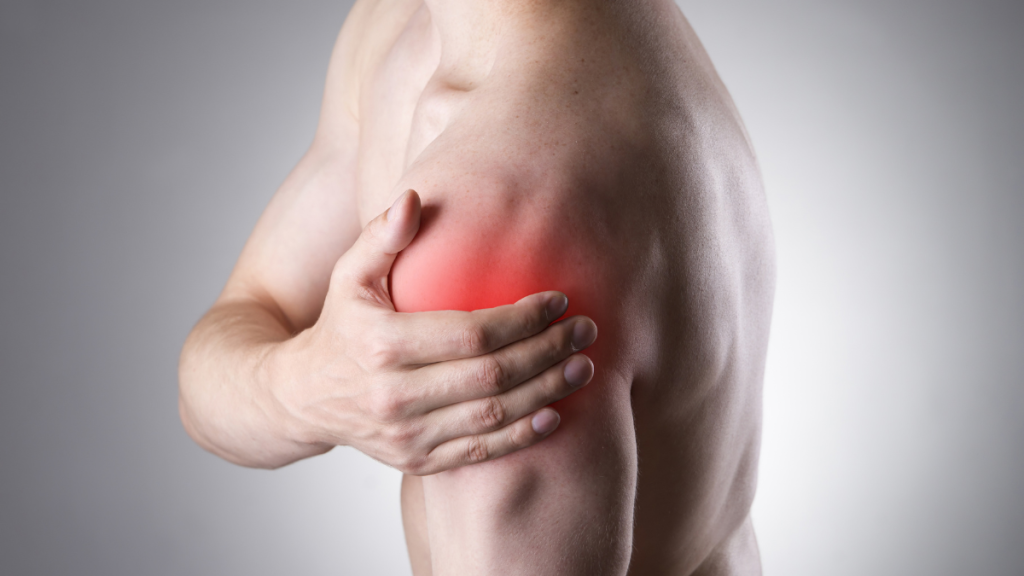
Chronic Post-Surgical Pain (CPSP) is persistent pain that remains after a surgical procedure has ended and the expected healing period has passed. It is defined by the following criteria:
- Pain that continues for more than 3 to 6 months following surgery
- Pain that either did not exist before the surgery, or — if pre-existing pain was present — has changed in character or increased significantly in intensity
- Pain that is localised to the surgical site, or radiates to an adjacent area (referred pain)
- Pain that cannot be attributed to another cause, such as post-operative infection or a pre-existing condition such as cancer
What Causes Chronic Post-Surgical Pain?
Approximately half of all CPSP cases involve nerve injury sustained during the surgical procedure itself. When nerve damage triggers an inflammatory and immune response, the body releases neurotransmitters that increase pain sensitivity. Repeated stimulation of the central nervous system through this process can lead to lasting neurological changes — a state known as central sensitisation — in which the nervous system becomes hypersensitive and generates pain responses to stimuli that would not normally be painful.
However, nerve injury during surgery is not the only cause. In practice, CPSP is multifactorial, and a range of additional contributors are frequently involved :
- Scar tissue and adhesions — one of the most common causes; fibrous tissue that forms after surgery can compress or tether nearby nerves, producing continuous pain
- Infection and inflammation — ongoing inflammation at the wound site, or accumulation of fluid within the surgical area, sustains pain beyond the normal healing period
- Mechanical and structural complications — including hardware displacement (such as a shifted implant or fixation device), non-union of bone, or post-surgical spinal instability
- Residual pathology and adjacent-level degeneration — in spinal surgery, the original pathology may not have been fully resolved, or adjacent spinal segments may undergo accelerated degeneration as they compensate for increased load following the original procedure
- Behavioural and rehabilitation factors — inappropriate movement patterns during recovery, combined with weakness of the core stabilising muscles, can place excessive repetitive stress on the recently operated area, prolonging or intensifying pain
Symptoms
CPSP frequently involves a neuropathic component — reflecting the underlying nerve involvement. Common symptoms include :
- Sharp, shooting, or electric shock-like pain occurring spontaneously
- Burning or throbbing pain at or near the surgical site
- Heightened skin sensitivity around the surgical area (allodynia or hyperalgesia) — where normally harmless sensations such as light touch or clothing contact become painful
- Numbness or reduced sensation at the surgical site
- A crawling or tingling sensation beneath the skin
The character and location of pain varies depending on the type of surgery performed and which structures were involved.
Treatment Options
- Medication : Initial management typically includes a combination of:
- Analgesics and anti-inflammatory agents to reduce pain and swelling
- Neuropathic pain medications (such as gabapentin or pregabalin) to address nerve-related pain
- Antidepressants (such as duloxetine or amitriptyline) to modulate pain pathways in the central nervous system
- Other adjuvant medications as clinically indicated - Physical Therapy : Therapeutic massage
- Physiotherapy to restore strength, mobility, and correct movement patterns
- Acupuncture, where appropriate - Pain relief procedure : Increased sensitivity to touch around the surgical site
- Sympathetic nerve block or neurolysis — interrupts or permanently disrupts sympathetic pain pathways contributing to ongoing pain
- Peripheral nerve block — targeted nerve block in areas of concentrated or localised painPulsed radiofrequency nerve ablation
- Genicular nerve block — targets the specific nerve branches around the knee joint; relevant for patients with chronic pain following knee surgery
- Hip joint nerve branch block ± neurolysis — targets the nerves supplying the hip joint; applicable for persistent pain after hip surgery or hip replacement
- Spinal cord stimulation an implanted device delivers low-level electrical impulses to the spinal cord to disrupt pain signal transmission before it reaches the brain
- Intravenous ketamine infusion — administered at sub-anaesthetic doses to interrupt central sensitisation; used in carefully selected patients with severe CRPS
Prevention
Prevention of chronic post-surgical pain should begin during the early recovery phase, with a focus on effective pain control, appropriate physical activity, and psychological support. Key strategies include :
- Control acute pain effectively from the outset adequate pain management in the immediate post-operative period is one of the most important factors in reducing the risk of pain becoming chronic; undertreated acute pain is a major driver of central
- Use a multimodal analgesic approach combining paracetamol with NSAIDs, supplemented by short-term opioids only when necessary and under medical supervision, reduces the total opioid burden while maintaining effective pain control
- Begin gentle movement early early mobilisation, such as walking, prevents muscle contracture and promotes healthy circulation to healing tissues
- Follow a physiotherapy programme structured rehabilitation, guided by a physiotherapist, builds strength and restores safe, functional movement
- Use heat or cold therapy appropriately cold application reduces swelling and acute pain; heat relaxes muscle tension; both can be valuable tools at different stages of recovery
- Support mental health and manage stress anxiety and psychological distress are well-established risk factors for the development of chronic pain; relaxation techniques such as deep breathing, mindfulness, and where needed, psychological support, should be part of the recovery plan
Reference
- Chatuporn Wongsathitporn. (2021). Management of cancer pain: The role of nurses in home care. Journal of Boromarajchonani College of Nursing Nakhonratchasima, 27(1), 226-241. https://he02.tci-thaijo.org/index.php/jcra/article/download/248963/170263
- Bordoni, B., & Varacallo, M. (2023). Complex Regional Pain Syndrome. StatPearls Publishing. https://pmc.ncbi.nlm.nih.gov/articles/PMC4590073/
- Shim, H., Rose, J., Hallead, A., & Grewal, H. (2018). Complex regional pain syndrome: a primer for clinicians. Journal of Clinical Medicine Research, 10(7), 535-540. https://pmc.ncbi.nlm.nih.gov/articles/PMC6037807/
Pain Management at Bangkok Interventional Clinic
At Bangkok Interventional Clinic, we focus on personalised, in-depth pain management tailored to each individual.
- All patients are evaluated and treated by a board-certified pain specialist, ensuring accuracy, safety, and effective care.
- Targeted interventional procedures for fast and effective symptom relief
- Patient education to support sustainable, long-term self-care
Our goal is to meaningfully improve the quality of life of every patient we treat. If you are living with pain that affects your daily life, the right diagnosis and the right treatment plan are where change begins.