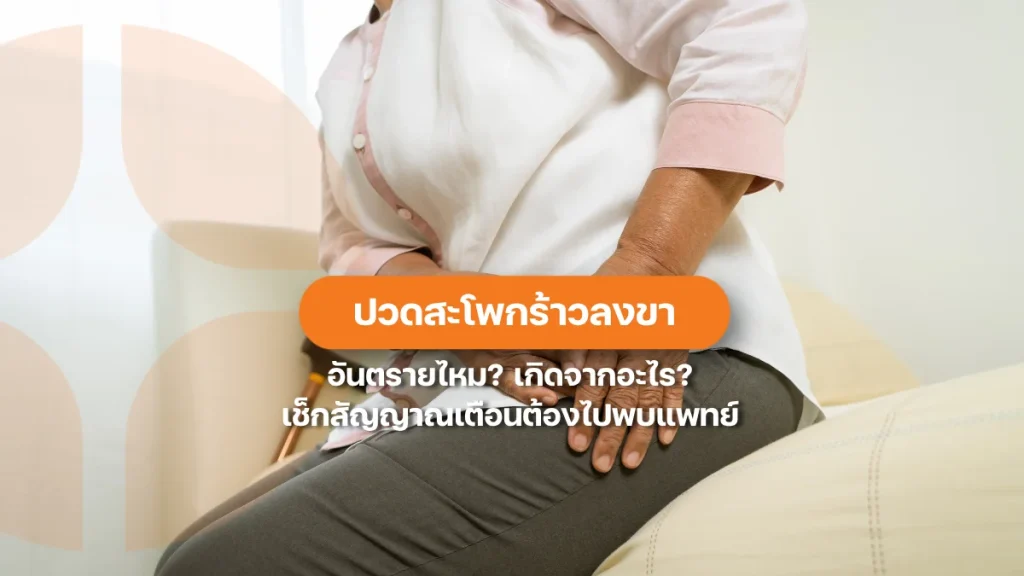



Lumbar Facet Joint Nerve Block (Lumbar Medial Branch Block)
Lower back pain does more than disrupt daily comfort — it interferes with work, limits physical activity, and when left inadequately treated, can progressively restrict movement and erode quality of life. While many cases of acute back pain resolve with conservative measures such as rest and heat or cold therapy, a significant proportion of patients find that their pain transitions from acute to chronic — persisting beyond 3 months and requiring a more targeted approach to management.
A Lumbar Facet Joint Nerve Block is one such targeted approach. It is both a diagnostic tool and a therapeutic procedure that forms an important first step in the interventional treatment pathway for chronic lower back pain.
What Is a Lumbar Facet Joint Nerve Block?
A Lumbar Medial Branch Block (also called a Lumbar Facet Joint Nerve Block) is a procedure in which a pain management specialist injects a small amount of local anaesthetic precisely onto the medial branch nerves — the specific nerve branches that carry sensation from the lumbar facet joints to the brain. The lumbar facet joints are the small paired joints at the back of each vertebra that connect the spine's segments together and control the direction of movement. When these joints become inflamed — from degeneration, injury, or cumulative strain — they produce a characteristic pattern of lower back pain that radiates into the hip and upper thigh, typically worsening with movement, prolonged standing, or extension (arching the back). By temporarily blocking the nerves that supply these joints, the procedure interrupts the pain signal and allows both patient and physician to assess whether the facet joints are the true source of the pain.
The Diagnostic and Therapeutic Purpose
This procedure serves a dual function — diagnostic and therapeutic — and the outcome directly guides the next step in the patient's care:
If pain is temporarily relieved (for hours to 1–2 days before returning): This confirms that the lumbar facet joints are the source of the pain. The physician will recommend proceeding to Lumbar Medial Branch Radiofrequency Ablation — a procedure that uses radiofrequency energy to permanently deactivate the pain-transmitting nerve branches, providing significantly longer-lasting relief.
If pain relief is sustained beyond the expected duration of the local anaesthetic: The physician may recommend repeating the nerve block as an ongoing therapeutic treatment to maintain pain control.
Who Is This Procedure Suitable For?
Patients with chronic lower back pain — specifically, localised persistent lower back pain that has been present for more than 3 months
Patients who have not responded to conservative treatment — including physiotherapy, oral medication, and other injections that have not achieved adequate pain relief
Patients suspected to have facet joint-mediated pain — characterised by pain that worsens with spinal extension, rotation, prolonged standing, or sitting for extended periods; and pain that is reproduced by pressing on the facet joint area
The Procedure (Approximately 15–20 Minutes)
This is a safe, minimally invasive outpatient procedure. General anaesthesia is not required and patients can go home the same day.
The patient lies face down on the procedure table
The physician uses real-time fluoroscopy (live X-ray guidance) to accurately locate and confirm the position of the target medial branch nerve at each lumbar level
A small volume of local anaesthetic is injected precisely onto the target nerve
Following the procedure, the patient is transferred to the recovery area and monitored for approximately 30 minutes before discharge
Self-care After the Procedure
Travel: Do not drive yourself home after the procedure. Arrange for a companion to drive you, or use public transport.
Bathing: Showering is permitted. Do not submerge in a bath or swimming pool for 48 hours following the procedure.
Activity: Avoid strenuous physical activity for the remainder of the day. Light activities can typically be resumed the following day.
Expected Outcomes
If the facet joints are the source of the pain, the local anaesthetic effect will produce noticeable pain relief lasting from a few hours up to 1–2 days. When the anaesthetic wears off and pain returns, this is a diagnostically positive result — it confirms the pain source and establishes a clear treatment path. In this scenario, the physician will typically recommend Lumbar Medial Branch Radiofrequency Ablation as the next step: a procedure that uses radiofrequency heat to deactivate the same nerve branches, delivering pain relief that lasts months rather than days.
Important Precautions and Contraindications
The following patients should discuss their individual circumstances with the physician before proceeding:
Patients with a known allergy to local anaesthetic agents
Patients who are currently pregnant
Patients with a bleeding disorder or coagulopathy — including those taking anticoagulant or antiplatelet medications (blood thinners)
Patients with an active infection — either systemic or localised at or near the planned injection site
Pain Management at Bangkok Interventional Clinic
At Bangkok Interventional Clinic, we focus on personalised, in-depth pain management tailored to each individual.
- All patients are evaluated and treated by a board-certified pain specialist, ensuring accuracy, safety, and effective care.
- Targeted interventional procedures for fast and effective symptom relief
- Patient education to support sustainable, long-term self-care
Our goal is to meaningfully improve the quality of life of every patient we treat. If you are living with pain that affects your daily life, the right diagnosis and the right treatment plan are where change begins.