


Pain from Muscle Spasm: Why It Hurts More Than You Think
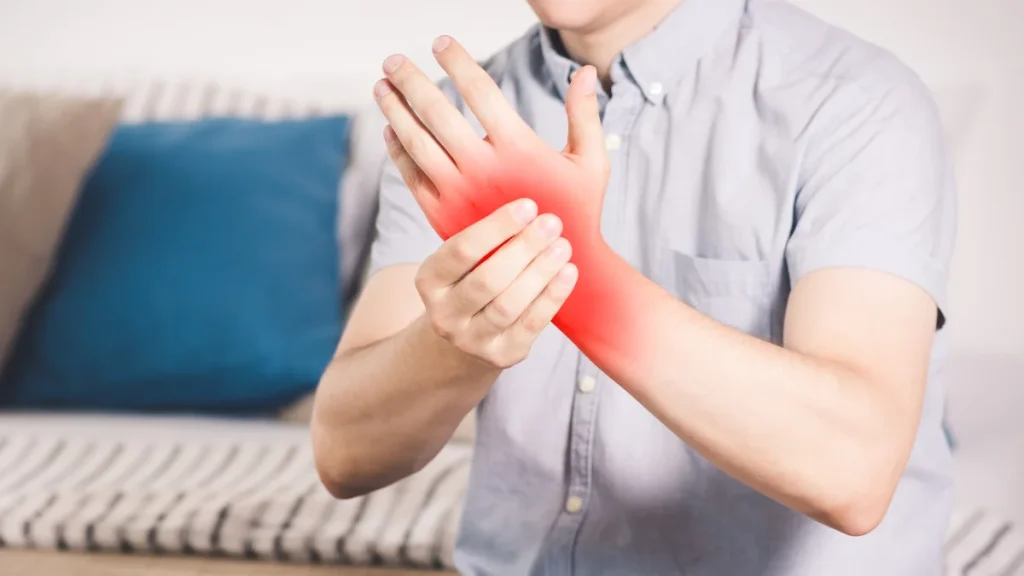
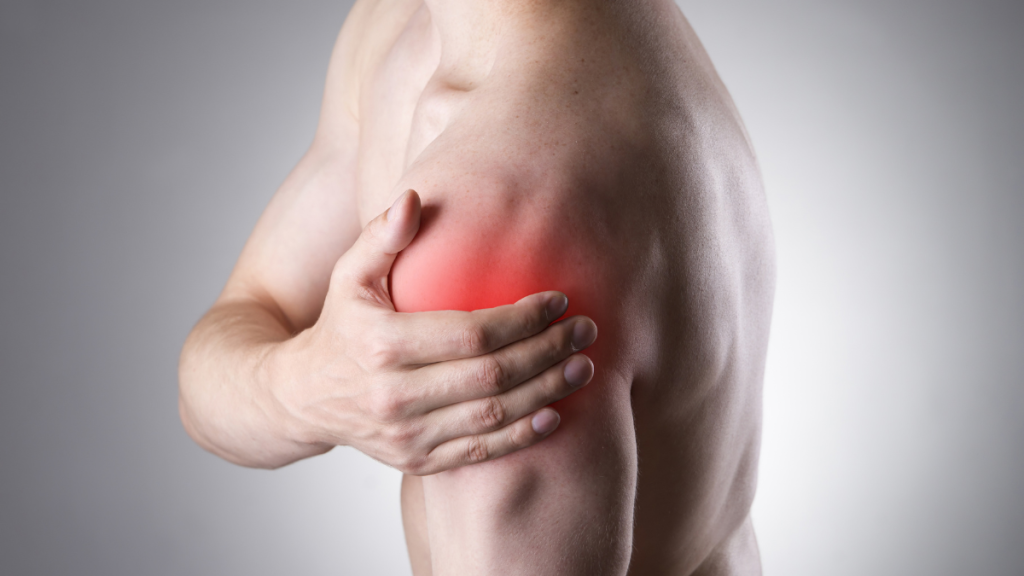
Sudden, localised pain that comes on sharply — with the affected area hardening into a tight, painful knot — is not always ordinary fatigue or muscle soreness. It may be a muscle spasm: an involuntary, forceful contraction of muscle tissue that can stop you in your tracks. Muscle spasms most commonly affect the neck, shoulders, upper back, lower back, and legs, and can range from a brief, sharp episode to a sustained, debilitating tightness.
For people who spend long hours at a desk or in front of a screen, these episodes can easily become a recurring problem. Understanding what triggers muscle spasms — and how to manage and prevent them — is the first step toward breaking that cycle.
What Causes Muscle Spasms?
Muscle spasms can arise from multiple overlapping causes:
- Office Syndrome and prolonged static posture — sustained sitting at a computer or working in the same position for extended periods creates chronic tension in the postural muscles of the neck, shoulders, and back
- Muscle overuse and fatigue — repetitive movements or prolonged physical exertion exhaust the affected muscle group, increasing susceptibility to involuntary contraction
- Stress and inadequate rest — psychological stress causes persistent low-level muscle activation; combined with insufficient sleep, this leaves muscles in a continuously primed state that predisposes to spasm
- Dehydration and electrolyte imbalance — muscles require adequate fluid and electrolytes (particularly sodium, potassium, calcium, and magnesium) to contract and relax normally; deficiencies in any of these disrupt normal neuromuscular function
- Underlying medical conditions — peripheral neuropathy, diabetes, stroke, and spinal cord injury can all affect the neuromuscular control that keeps muscles functioning normally, increasing spasm frequency
Muscle spasms frequently occur alongside lower back pain, and in many cases inflammation is a contributing factor — creating a cycle where inflammation causes spasm, and spasm sustains inflammation.
Initial Self-Care for Acute Muscle Spasm
For a sudden, acute muscle spasm, the following measures can provide immediate relief:
- Gentle stretching and massage — slowly and carefully stretch the affected muscle and apply gentle manual pressure to the area; avoid forcing the stretch
- Heat therapy — applying a warm compress, a low-temperature heat pack, or soaking the affected area in warm water helps relax the contracted muscle and improve local circulation
- Cold therapy — a cold gel pack or ice wrapped in a thin cloth, applied to the affected area while gently stretching, can reduce inflammation and provide pain relief, particularly in the first 24–48 hours of an acute episode
If pain is severe or does not improve with self-care, seek specialist assessment. Persistent or recurrent muscle spasm warrants evaluation to identify any underlying contributing factors.
Treatment Options
-
- Medication Pain relief medication and muscle relaxants prescribed by a physician can effectively reduce spasm-related pain and muscle tightness. Medication is typically used in the short term to break the pain-spasm cycle while the underlying cause is addressed.
- Interventional pain procedures For muscle spasm, including
- Trigger point injection — targeted injection of local anaesthetic directly into specific painful trigger points within the affected muscle to interrupt the local pain cycle
Medication used: Local anaesthetic ± steroids - Dry needling— fine needles are inserted into trigger points without injecting any substance; the mechanical stimulus disrupts the dysfunctional muscle activity at the trigger point and promotes release
- Trigger point injection — targeted injection of local anaesthetic directly into specific painful trigger points within the affected muscle to interrupt the local pain cycle
-
- Botulinum toxin injection — indicated for focal, treatment-resistant muscle spasm; particularly useful in conditions such as cervical dystonia (involuntary neck muscle contraction) or post-stroke spasticity, where targeted chemical denervation of the overactive muscle is required
Prevention
- Stay well hydrated — drink water and electrolyte-containing fluids consistently throughout the day to maintain the hydration and mineral balance that muscles require to function normally.
- Eat a mineral-rich diet — prioritise foods high in calcium, potassium, and magnesium: bananas, avocado, dark leafy vegetables, yoghurt, legumes, and nuts all support healthy neuromuscular function.
- Stretch regularly — incorporate daily stretching, particularly before and after exercise and before bed; consistent flexibility work significantly reduces the frequency of muscle spasm.
- Exercise consistently and build strength — strong, conditioned muscles are substantially less prone to spasm than weak, deconditioned ones; regular low-to-moderate intensity exercise builds the muscular endurance needed to handle sustained activity without triggering involuntary contraction.
- Avoid known triggers — reduce caffeine and alcohol consumption, both of which interfere with mineral absorption and hydration at the cellular level.
- Maintain correct posture — practise good postural alignment when sitting, standing, and working, with particular attention to the back and neck; ergonomic positioning reduces the chronic muscle tension that predisposes to spasm.
Reference:
- Lobo, S., & Sharda, A. (2565). Myofascial Pain Syndrome: A Literature Review. International Journal of Clinical Medicine Case Reports, 2(1), 1-5.
- Pergolizzi Jr, J., Choudhury, S., Magnusson, P., et al. (2021). Skeletal muscle spasms. Cureus, 13(8), A598.
Pain Management at Bangkok Interventional Clinic
At Bangkok Interventional Clinic, we focus on personalised, in-depth pain management tailored to each individual.
- All patients are evaluated and treated by a board-certified pain specialist, ensuring accuracy, safety, and effective care.
- Targeted interventional procedures for fast and effective symptom relief
- Patient education to support sustainable, long-term self-care
Our goal is to meaningfully improve the quality of life of every patient we treat. If you are living with pain that affects your daily life, the right diagnosis and the right treatment plan are where change begins.