


An injury that seems minor at the time — a tweak, a strain, a sudden sharp pain during exercise — can quietly escalate into something far more serious if it is left untreated or if the affected area is used repeatedly without proper care. Once inflammation sets in, recovery takes significantly longer, and the condition can begin to affect work performance, daily activities, and overall quality of life.
Taking injury seriously from the outset — and avoiding behaviours that push muscles and tendons beyond their limits — is the foundation of preventing acute pain from becoming a chronic problem.
The Two Most Common Injury-Related Conditions
- Muscle Inflammation (Myositis)
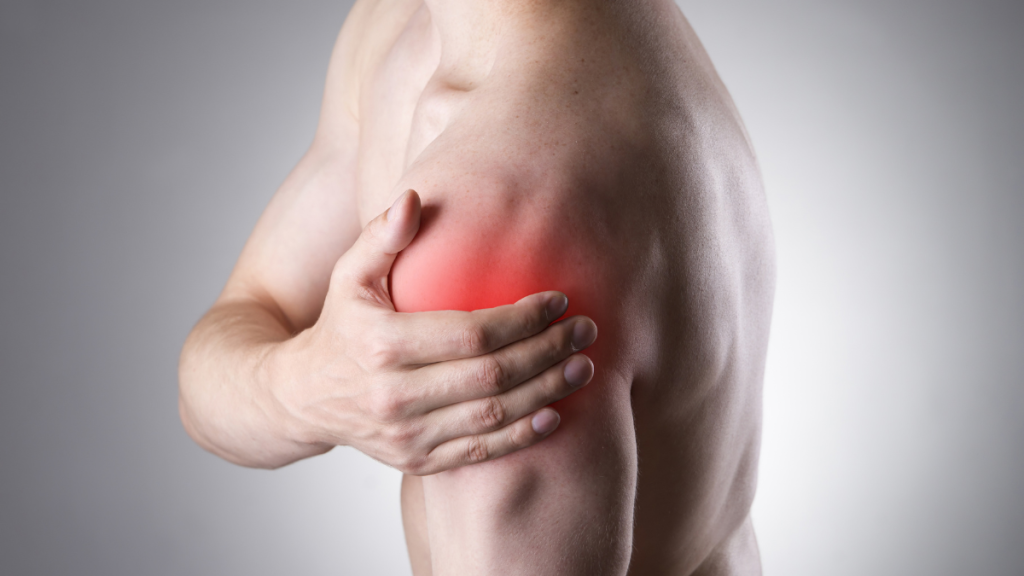
Muscle inflammation is a condition in which the muscle tissue itself becomes inflamed, producing pain and tenderness that typically worsen with movement or when direct pressure is applied to the affected area. It most commonly affects the shoulders, hips, and thighs — areas that absorb repetitive mechanical load or are commonly overstressed during physical activity. - Tendinitis (Tendon Inflammation)
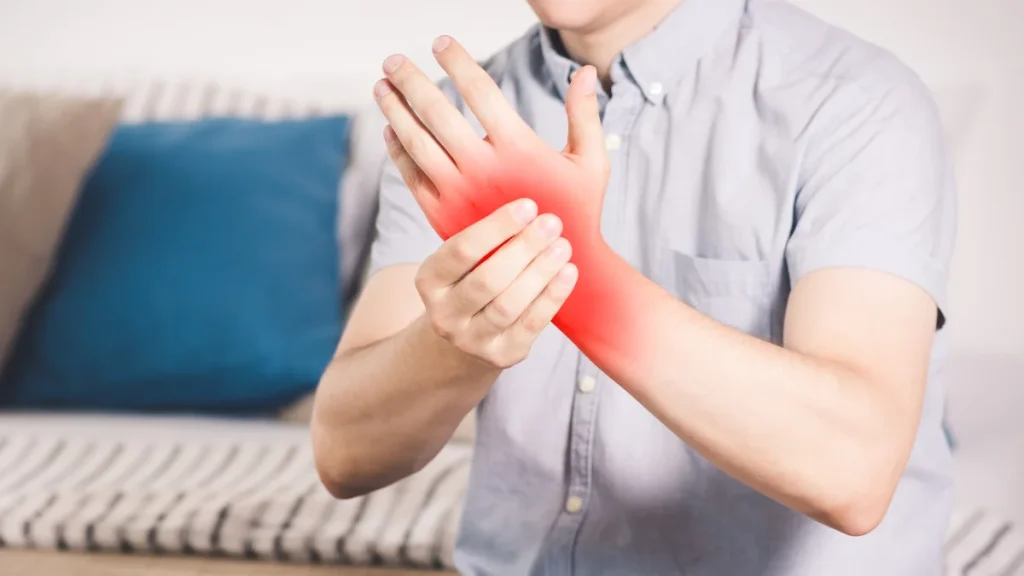
Tendinitis is inflammation of a tendon — the thick, fibrous connective tissue that anchors muscle to bone. It produces pain and tenderness around the affected joint, and can develop in any tendon in the body. The most frequently affected sites are the shoulder, elbow, wrist, knee, and heel. Tendinitis is particularly common in people who perform repetitive movements, whether at work, in sport, or in daily life.
What Causes Muscle and Tendon Inflammation?
Several factors commonly contribute to the development of myositis and tendinitis:
- Overuse and repetitive movement
Performing the same motion repeatedly over time is the single most common cause; seen in athletes, manual workers, office workers, and anyone with repetitive task demands - Sudden, acute injury
A forceful or abrupt movement — such as lifting something heavy with poor technique, slipping, or landing awkwardly from a jump — can tear muscle fibres or acutely strain a tendon - Poor technique or inadequate ergonomics
Using incorrect form during exercise (such as tennis, running, or swimming) or working in a poorly set up environment places uneven stress on muscles and tendons, increasing injury risk significantly - Age-related changes
Tendons naturally become less elastic and more brittle with age, making them more vulnerable to injury under loads they would previously have tolerated without difficulty - Muscle imbalance and weakness
When certain muscle groups are weak or when muscles are not working in proper coordination, other muscles and their tendons are forced to compensate by absorbing disproportionate load - Underlying medical conditions
Systemic conditions such as lupus and rheumatoid arthritis can directly contribute to muscle and tendon inflammation through their inflammatory and immune-mediated mechanisms
Treatment Options
Treatment for muscle and tendon inflammation typically combines several approaches simultaneously, with the goals of reducing inflammation, controlling pain, and progressively restoring strength and normal function:
Medication — non-steroidal anti-inflammatory drugs (NSAIDs), muscle relaxants, and analgesics to reduce pain and suppress inflammation; medication selection and duration is guided by the severity and nature of the condition.
Physiotherapy to restore mobility, correct movement patterns, and strengthen supporting muscles targeted rehabilitation to restore muscle strength, flexibility, and coordinated movement patterns; an essential component of recovery and relapse prevention
Lifestyle and activity modification — correcting posture and movement technique during daily activities and exercise; ensuring adequate rest and recovery between bouts of activity; avoiding activities that aggravate or prolong the inflammatory response; and supporting recovery with a nutritionally balanced diet.
Interventional pain procedures — for patients who continue to experience significant pain despite appropriate conservative management, the following targeted procedures may be considered:
- Peritendinous injection under ultrasound guidance — local anaesthetic combined with corticosteroid, or Platelet-Rich Plasma (PRP), is injected precisely around the affected tendon under real-time ultrasound visualisation; reduces local inflammation and supports tissue healing .
- Trigger point injection — targeted injection of local anaesthetic directly into specific painful trigger points within the affected muscle to interrupt the local pain cycle
- Dry needling / acupuncture — fine needles inserted into trigger points or specific sites to disrupt dysfunctional muscle activity, reduce tension, and promote healing
Preventing Muscle and Tendon Injury
- Respect your body's limits — avoid activities that place excessive or prolonged demand on muscles and tendons; if you experience pain during exercise or physical activity, stop immediately and rest. Pushing through pain is one of the most common pathways from acute injury to chronic inflammation.
- Exercise consistently and stretch regularly — maintain an active baseline level of fitness; incorporate warm-up and cool-down stretching before and after every exercise session to prepare tissues for load and support recovery.
- Use correct technique and body mechanics — ensure that your movement patterns during exercise and physical work are biomechanically sound; poor technique concentrates force in ways the body was not designed to sustain, dramatically increasing injury risk.
- Optimise your ergonomic setup — adjust your chair height, keyboard position, desk height, and monitor level to suit your body proportions and the nature of your work; a well-configured workstation reduces the cumulative mechanical stress placed on muscles, tendons, and joints throughout the working day.
- Build functional muscle strength — strong, balanced muscles protect tendons by absorbing and distributing load more effectively; targeted strength training — particularly of the stabilising muscles around vulnerable joints — is one of the most effective long-term preventive measures available.
Reference
- Williams, J. (2566). ทำความรู้จักกับกล้ามเนื้ออักเสบ: อาการ สาเหตุ และการรักษา. International Journal of Clinical Skills, 17(4), 1-2. https://www.openaccessjournals.com/articles/understanding-myositis-symptoms-causes-and-treatment.pdf
- Mayo Clinic Staff. (2566, ธันวาคม 14). เอ็นอักเสบ (Tendinitis): อาการและสาเหตุ. Mayo Foundation for Medical Education and Research. https://www.mayoclinic.org/diseases-conditions/tendinitis/symptoms-causes/syc-20378243
Pain Management at Bangkok Interventional Clinic
At Bangkok Interventional Clinic, we focus on personalised, in-depth pain management tailored to each individual.
- All patients are evaluated and treated by a board-certified pain specialist, ensuring accuracy, safety, and effective care.
- Targeted interventional procedures for fast and effective symptom relief
- Patient education to support sustainable, long-term self-care
Our goal is to meaningfully improve the quality of life of every patient we treat. If you are living with pain that affects your daily life, the right diagnosis and the right treatment plan are where change begins.
Bangkok Interventional Clinic — Pain and Nerve Specialist Clinic