


Lumbar Interlaminar Epidural Steroid Injection (Lumbar ESI)
If you are living with lower back pain that radiates down the leg — making standing or walking difficult and affecting your ability to carry out daily activities — a Lumbar Interlaminar Epidural Steroid Injection (Lumbar ESI) is an effective, non-surgical treatment option that can provide meaningful and lasting relief by addressing the source of the pain directly.
Understanding the Two Types of Lower Back Pain
Accurate pain classification is essential before recommending any injection procedure. Lower back pain falls into two clinically distinct categories:
- Localised low back pain — pain confined to the lower back, or referring into the hip and buttock without travelling below the knee. This pattern typically originates from inflammation or degeneration of the lumbar facet joints and is generally better addressed with a facet joint block or medial branch block rather than an epidural injection.
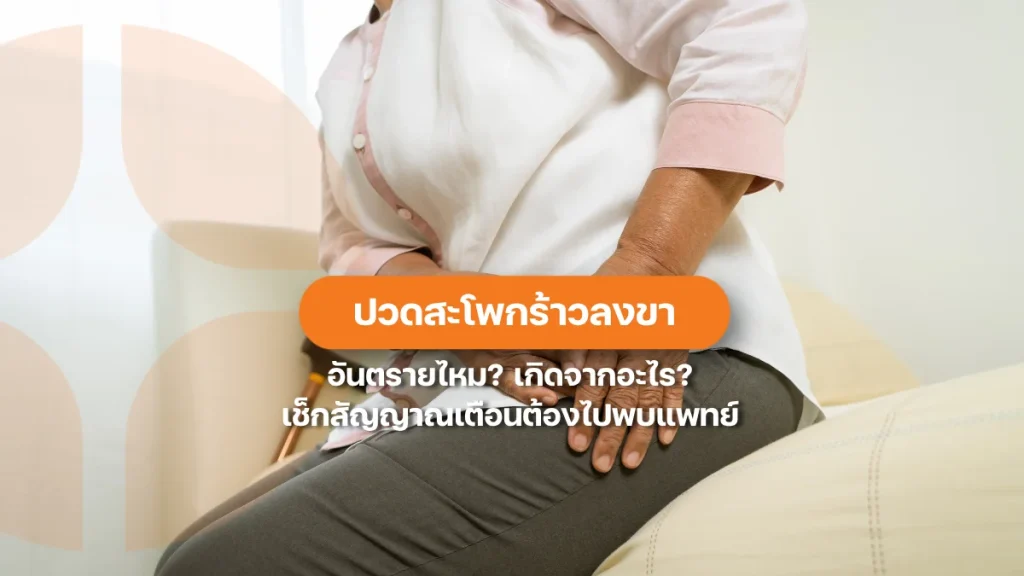
- Radicular lower back pain — back pain accompanied by a shooting, burning, or electric-like sensation that radiates down the leg, particularly below the knee. This pattern is caused by irritation or compression of a lumbar nerve root. Lumbar ESI is specifically indicated for this type of pain — delivering anti-inflammatory medication directly to the affected nerve root within the epidural space.
Correctly identifying which type a patient has is the critical first step before any injection is performed.
Who Is Lumbar ESI Suitable For?
This procedure is indicated for patients with radicular lower back pain — leg pain caused by lumbar nerve root compression — particularly those with:
- Herniated disc — disc material pressing on a lumbar nerve root, producing pain, numbness, or weakness that radiates into the leg
- Lumbar spinal stenosis — narrowing of the spinal canal compressing one or more nerve roots, often causing pain or heaviness in both legs with walking
- Sciatica — radicular pain travelling along the sciatic nerve pathway down the buttock, thigh, and leg, arising from nerve root compression or irritation at the lumbar level
Important: A Lumbar Spine MRI is required before the procedure. The imaging allows the physician to precisely identify the level and nature of nerve compression and to plan the injection approach with maximum accuracy.
What Is a Lumbar Interlaminar ESI and How Does It Work?
Lumbar ESI is a minimally invasive, non-surgical pain procedure in which a mixture of local anaesthetic and corticosteroid is injected into the epidural space — the area surrounding the spinal cord and nerve roots — through the interlaminar space between two adjacent vertebrae.
Unlike the transforaminal approach (which targets a single specific nerve root), the interlaminar approach deposits medication into the epidural space more broadly, where it can spread to reduce inflammation around multiple adjacent nerve roots simultaneously. This makes it particularly effective for bilateral or multilevel symptoms, or when the precise level of compression is not isolated to a single root.
The corticosteroid reduces nerve root swelling and inflammation directly at the compression site, providing sustained pain relief beyond what is achievable through oral anti-inflammatory medication alone. คือหัตถการระงับปวดชนิดที่ ไม่ใช่การผ่าตัด โดยแพทย์จะทำการฉีดยาชาร่วมกับยาสเตียรอยด์เข้าสู่โพรงเหนือช่องไขสันหลัง (Epidural Space) ในตำแหน่งที่ใกล้กับเส้นประสาทที่ถูกกดทับมากที่สุด เพื่อช่วยลดกระบวนการอักเสบและบรรเทาอาการปวดจากต้นเหตุ
The Procedure This is a safe, minimally invasive outpatient procedure. General anaesthesia is not required and patients can go home the same day.
- Positioning — the patient lies face down on the procedure table; local anaesthetic is applied to the skin to minimise discomfort throughout
- Image guidance — the physician uses real-time fluoroscopy (live X-ray) combined with contrast dye to accurately identify and confirm the position of the epidural space before any medication is delivered
- Injection — the local anaesthetic and corticosteroid mixture is delivered into the epidural space at the target level; patients typically feel only mild pressure during this step
The entire procedure takes approximately 15–20 minutes from start to finish.
Expected Outcomes
- Immediate effect: The local anaesthetic provides rapid pain relief within minutes of the injection, with an effect lasting approximately 4–6 hours.
- Sustained effect: The corticosteroid begins reducing nerve root inflammation progressively, reaching its full anti-inflammatory effect within approximately one week.
- Duration: Patients who respond well typically experience meaningful reduction in leg and back pain lasting 3 months or longer, with some achieving sustained relief beyond 6 months depending on the severity and cause of the nerve compression.
Post-Procedure Care
- Day of procedure:
- Do not drive on the day of the procedure — the local anaesthetic may temporarily cause mild leg weakness or reduced sensation; arrange for a companion or use public transport
- Avoid strenuous physical activity and heavy lifting for the remainder of the day - The following day: Most patients can return to their normal daily activities.
- Injection site: Mild soreness or aching at the injection site is normal and expected, and typically resolves within 1–2 days.
Supporting Long-Term Recovery
The benefits of Lumbar ESI are best maintained when combined with consistent self-care:
- Correct posture — practise proper spinal alignment when sitting, standing, and working; avoid prolonged forward bending or slouching, which increases pressure on the lumbar discs and nerve roots.
- Core and back strengthening — regular exercise targeting the deep abdominal muscles and back extensors provides better mechanical support for the lumbar spine, reducing the load on compressed segments over time.
- Regular movement breaks — if your work requires prolonged sitting or standing, take brief breaks every 30–45 minutes to stand, change position, or gently stretch the lower back and legs.
- Ergonomic support — choose a mattress and chair that provide appropriate lumbar support; good ergonomics reduce the cumulative mechanical forces on the spine throughout the day.
Pain Management at Bangkok Interventional Clinic
At Bangkok Interventional Clinic, we focus on personalised, in-depth pain management tailored to each individual.
- All patients are evaluated and treated by a board-certified pain specialist, ensuring accuracy, safety, and effective care.
- Targeted interventional procedures for fast and effective symptom relief
- Patient education to support sustainable, long-term self-care
Our goal is to meaningfully improve the quality of life of every patient we treat. If you are living with pain that affects your daily life, the right diagnosis and the right treatment plan are where change begins.