


Sacroiliac Joint Injection (SI Joint Injection)
If you are living with chronic lower back or hip pain that is affecting your daily life, a Sacroiliac Joint Injection (SI Joint Injection) is an effective treatment option that serves both a diagnostic and therapeutic purpose — identifying whether the sacroiliac joint is the true source of your pain, and delivering targeted relief directly at that source, without surgery.
What Is the Sacroiliac Joint and What Causes It to Hurt?
The sacroiliac joint (SI joint) connects the sacrum (the triangular bone at the base of the spine) to the ilium (the large pelvic bone on either side). There are two SI joints — one on each side of the lower spine — and they play a critical mechanical role: bearing body weight and transferring load and force between the upper and lower body during movement.
Because of the substantial forces passing through them, SI joints are susceptible to a range of conditions that can cause persistent pain :
- Inflammation or joint degeneration — wear and deterioration of the joint itself, producing chronic aching and stiffness
- Injury or trauma — a fall, accident, or direct impact to the lower back or pelvis can destabilise or inflame the SI joint
- Pregnancy — hormonal changes loosen the ligaments that stabilise the SI joint, and the physical widening of the pelvis during pregnancy can cause significant joint stress and pain
- Inflammatory arthritis — conditions such as ankylosing spondylitis cause inflammation within and around the SI joint, leading to progressive pain and stiffness
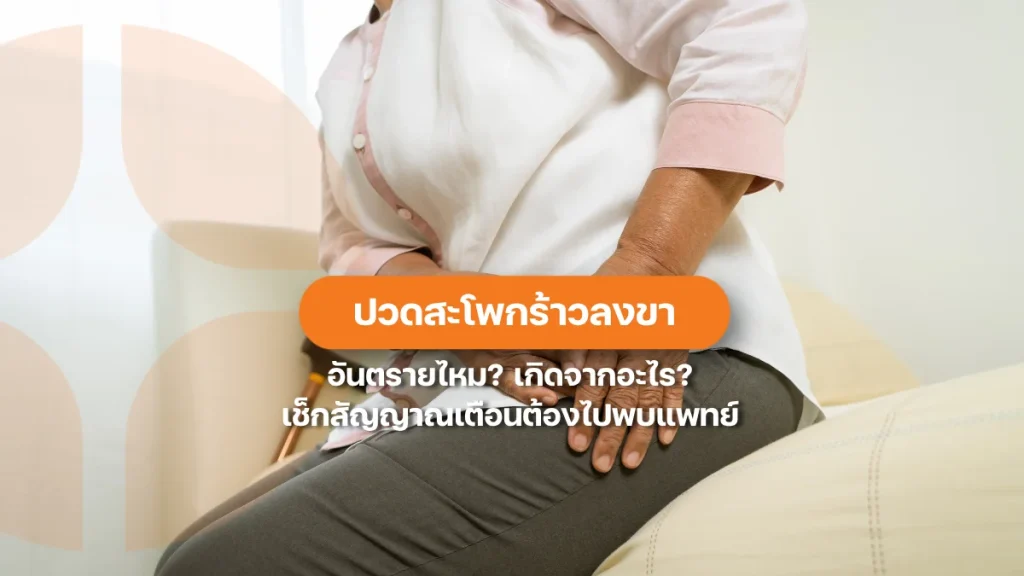
- How SI joint pain typically presents : Patients describe pain in the lower back, hip, groin, or buttock that may radiate partway down the leg — but typically not below the knee. This distribution helps distinguish SI joint pain from lumbar disc or nerve root pathology, which tends to radiate further down the leg.
Who Is This Procedure Suitable For?
- Patients with persistent lower back, pelvic girdle, or hip pain that has not responded adequately to oral medication or physiotherapy
- Patients with a clearly identifiable tender point directly over the sacroiliac joint on clinical examination
- Patients whose pain pattern is consistent with SI joint origin — lower back or buttock pain, possibly with groin radiation, without significant radiation below the knee
The Procedure (Approximately 15–20 Minutes)
This is a safe, well-tolerated outpatient procedure. Local anaesthetic is applied at the injection site before the procedure begins to minimise discomfort. General anaesthesia is not required.
- The patient lies face down on the procedure table
- The physician uses real-time fluoroscopy (live X-ray) or ultrasound guidance to precisely locate the SI joint and confirm accurate needle placement before any medication is injected
- A combination of local anaesthetic and corticosteroid is injected directly into the joint space — the anaesthetic provides immediate diagnostic confirmation and short-term pain relief, while the steroid delivers anti-inflammatory effect that develops fully over the following week
The procedure does not require hospital admission. Most patients go home the same day.
Expected Outcomes
- Diagnostic value : If pain is immediately and significantly reduced following the injection, this confirms that the sacroiliac joint is the true source of the patient's pain — providing the physician with clear evidence to guide the next step in the treatment plan.
- Onset and duration of effect :
- The local anaesthetic takes effect within minutes and provides relief lasting approximately 2–3 hours
- The corticosteroid begins reducing inflammation progressively, reaching its full effect within approximately one week
- Therapeutic relief from the steroid component typically lasts several weeks to a few months, depending on the severity of the underlying condition
If pain recurs : For patients who respond well but experience pain returning after some time, the injection can be repeated, or the physician may recommend SI joint radiofrequency ablation — a procedure that deactivates the nerves supplying the joint to provide longer-lasting relief. - Post-Treatment Self-Care
- Rest : Avoid heavy lifting and strenuous physical activity for the remainder of the day.
- Injection site : Mild soreness or aching at the injection site is normal and expected. This typically improves on its own within 1–2 days.
Driving : Avoid driving on the day of the procedure if you have received sedation or if the local anaesthetic has affected your lower body sensation or strength. Arrange transport in advance if needed.
Follow-up : Note the degree and duration of pain relief you experience in the days following the procedure, as this information is clinically important — your physician will use it to determine whether the SI joint is confirmed as the pain source and to plan the most appropriate next step in your care.
Pain Management at Bangkok Interventional Clinic
At Bangkok Interventional Clinic, we focus on personalised, in-depth pain management tailored to each individual.
- All patients are evaluated and treated by a board-certified pain specialist, ensuring accuracy, safety, and effective care.
- Targeted interventional procedures for fast and effective symptom relief
- Patient education to support sustainable, long-term self-care
Our goal is to meaningfully improve the quality of life of every patient we treat. If you are living with pain that affects your daily life, the right diagnosis and the right treatment plan are where change begins.